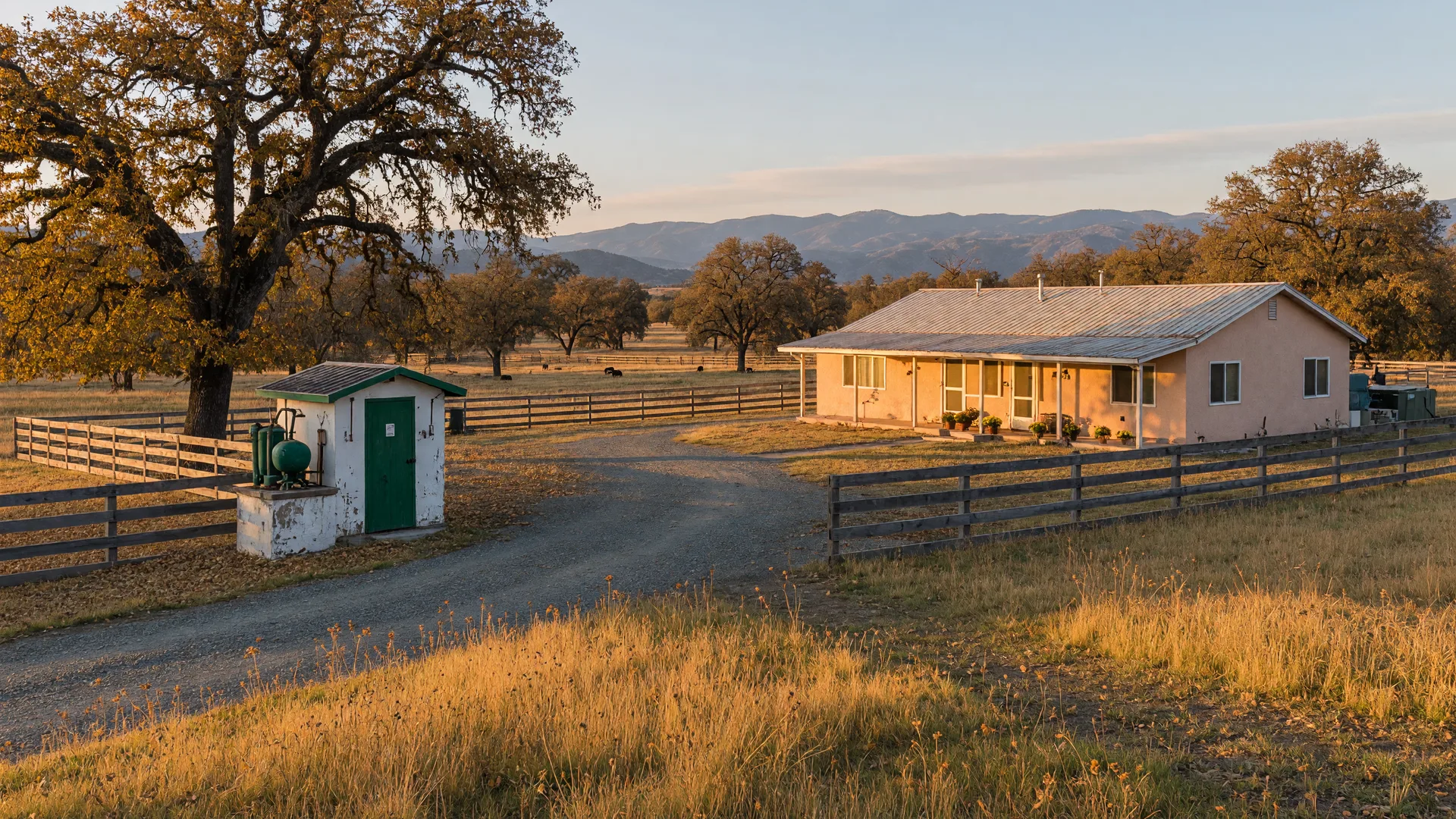
Selling a home with a well and septic in Merced County comes down to three things: proving the water, verifying the septic, and disclosing everything in writing. California does not require a private well test at the point of sale, yet buyers and lenders still expect recent water quality results, and on-site septic systems are inspected and pumped before most rural deals close. Here is what sellers in McSwain, Catheys Valley, Mariposa, and across the county need to know to get from listing to close without surprises.
Why Selling a Home With a Well and Septic in Merced County Is Different
On a city lot, water comes from a public utility and waste leaves through a municipal sewer line, so a seller rarely thinks about them. On a rural acreage property, the water and the septic system are the buyer's lifeline, and they are part of the value of the home. A well that produces clean, plentiful water and a septic system in good condition close without drama, while an aging well or a failing system invites questions, renegotiations, and even failed deals.
That is a reason to prepare, not to worry. Sellers who gather their well and septic records, run the tests before they list, and understand the disclosures put themselves in the strongest position.
How Common Are Private Wells in Merced County?
Private wells are not an edge case here. Roughly 16 percent of Merced County residents, about 42,000 people, rely on private wells for their water, according to data compiled for Merced County by Well Water Insider, a figure that makes sense for an agricultural county served largely by groundwater.
Wells are most common in the rural parts of the county: McSwain with its ranchette parcels, Catheys Valley in the hill country, Mariposa in the foothills, and rural stretches of Chowchilla and Livingston. Where there is a private well, there is almost always an on-site septic system too.
Well Water Testing: What Sellers Should Know
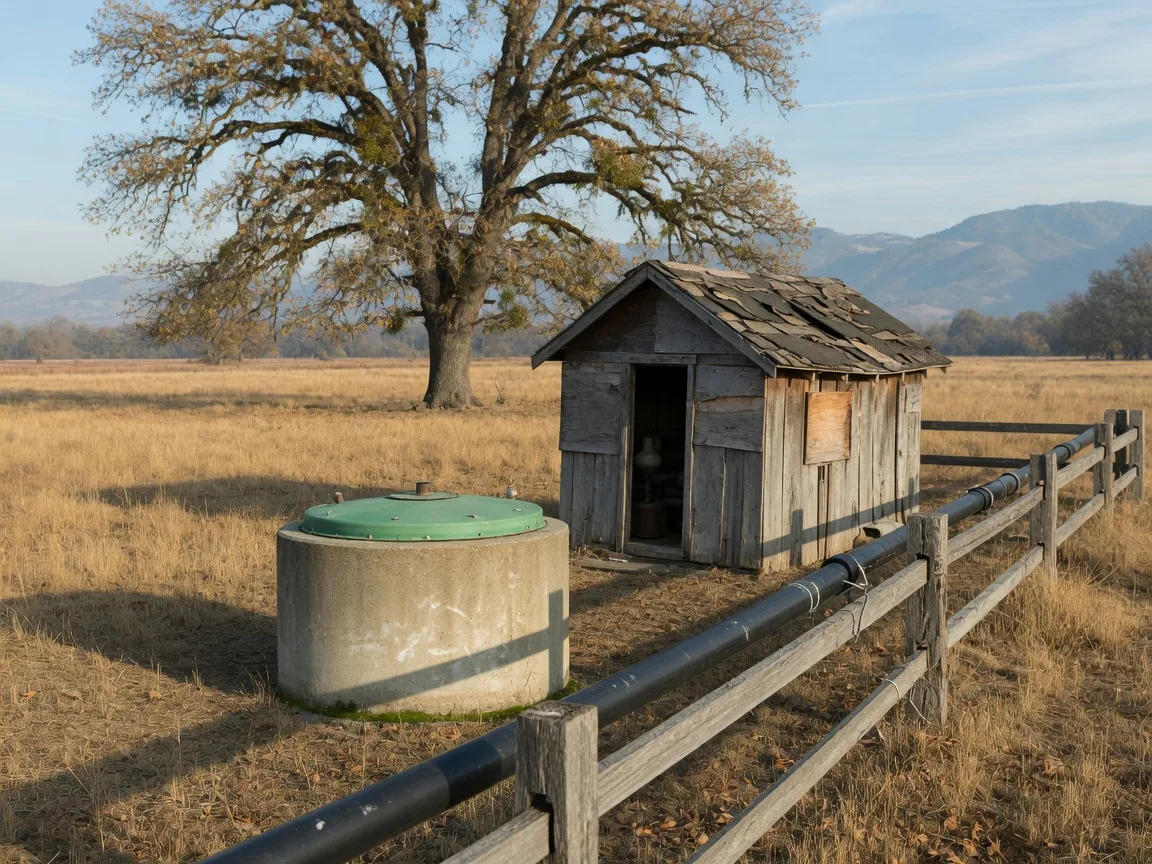
Here is the fact most sellers do not expect: California has no statewide requirement to test private well water when a home is sold, and Merced County adds no point-of-sale mandate either. Testing is effectively voluntary, triggered by the buyer or the buyer's lender.
Almost every buyer on a well still wants to see a recent water quality test, and loans commonly require one. For the seller, running the test before listing avoids an eleventh-hour surprise and lets you fix a treatable issue on your own timeline. Merced County's Environmental Health well systems page describes the county's domestic well testing program, including free testing materials for basic bacteria and nitrate panels, with a water sample request form to get started.
When a certified lab result is required, the nearest options include Microbac Laboratories in Turlock, roughly 20 miles from Merced, and a basic bacteria and nitrate panel is the minimum most lenders accept. The county Environmental Health Division, at 2222 M Street in Merced, can be reached at (209) 381-1100 and is the right first call for county-specific questions.
Septic Inspections and Pumping: The Process
On-site septic systems in Merced County are regulated by the Merced County Environmental Health Division, which runs the county's on-site wastewater treatment program, known as the Local Agency Management Program, or LAMP. Permits, forms, and system reviews all flow through this office.
Before a sale, a licensed septic company typically locates the tank, opens it, and checks the tank, the baffles, and the drain field, often pumping it out in the same visit. A pre-sale septic inspection commonly runs roughly $300 to $600, with tank pumping another roughly $300 to $600, depending on the size and access to the tank.
Because requirements vary by the age, type, and location of a system, the practical step is to have a licensed local company inspect early and ask the county whether a point-of-sale report is expected, turning a potential contingency into a finished line item.
What the Seller Disclosures Require
California law puts water and sewage squarely on the disclosure form. Under Civil Code 1102, sellers of residential property of one to four units deliver a Transfer Disclosure Statement, or TDS, before the buyer accepts the offer. The TDS asks about the water supply source, whether the property is on a well or city water, and whether the seller knows of any defects in the water, plumbing, or sewage systems.
Beyond the form itself, you must disclose any known material fact that affects the value or desirability of the property, in good faith: water quality problems, low well yield, failing pumps, shared well arrangements, and septic failures or repairs. The full set is covered in the seller disclosures guide, and the home inspection guide walks through the other inspections that come up on a rural property.
The honest approach is the practical one. A seller who discloses a known well or septic issue up front keeps control of the conversation, while a buyer who discovers the same issue after the inspection assumes the worst and negotiates harder.
FHA and USDA Loan Requirements for Well and Septic Properties
Many rural buyers finance with FHA or USDA loans, and both follow the same property standards in HUD Handbook 4000.1. Under those rules, well water must meet local or EPA standards, which a buyer's lender typically confirms with a water quality test from a certified lab. The septic system must be functional and meet local health standards.
The commonly cited setbacks for FHA and USDA properties are 10 feet from the well to the property line, 50 feet from the well to the septic tank, and 100 feet from the well to the drain field. If public water or sewer is available and connection is reasonably cost-effective, the lender may require connection before closing. For a property deep in the county with no nearby main, that rarely applies, but it is worth confirming rather than assuming.
The practical takeaway is simple: a property with a clean well test and a functioning septic system passes these checks smoothly, which is exactly why the prepared seller has an easier sale.
Costs to Expect and Paperwork to Gather
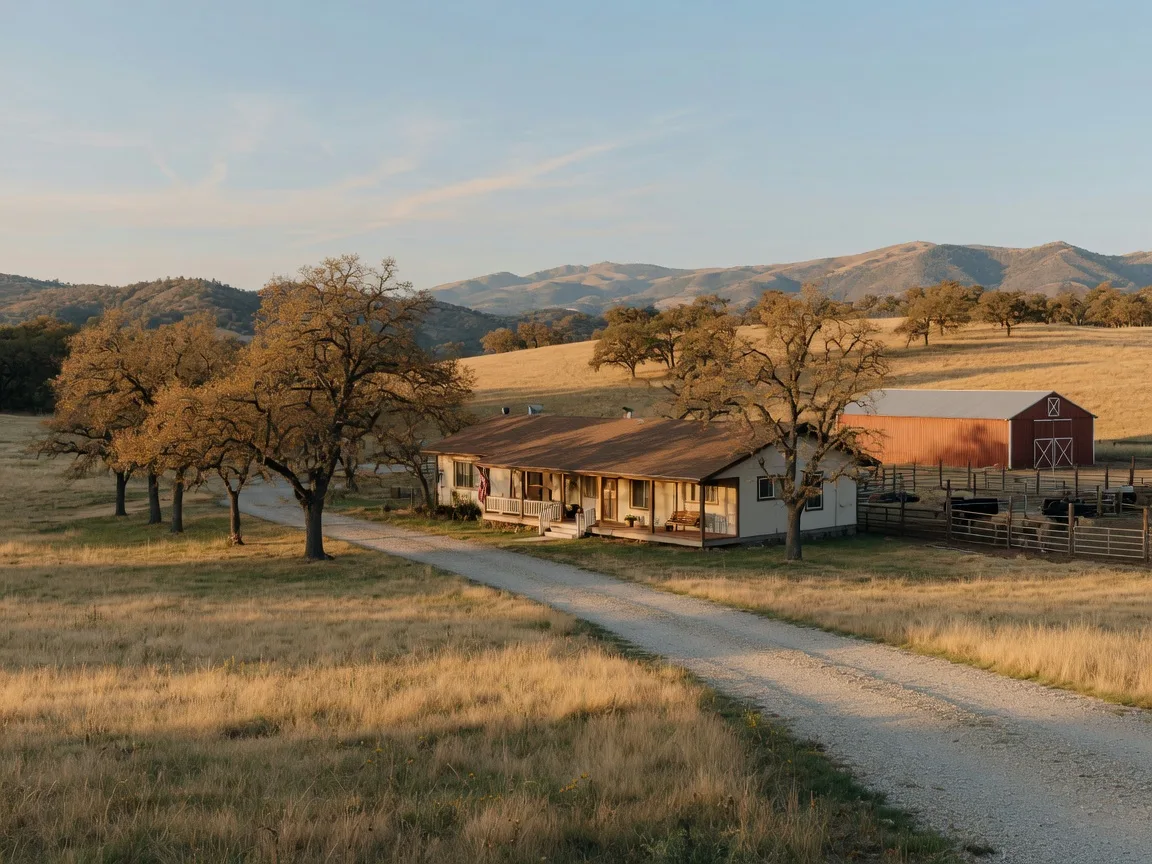
Before you list, set aside a small budget for the rural checklist. Well water testing through the county's program can be minimal or free for the basic panel, while a certified lab test costs more depending on the contaminants tested. Septic inspection and pumping land in the few-hundred-dollar range each: inexpensive insurance against a stalled sale.
The paperwork to gather is straightforward: the well permit and drilling log if you have them, any past water quality results, records of pump and pressure tank work, the septic permit, and receipts from past inspections or pump-outs. If you do not have records, the county Environmental Health Division can often provide the permit history for your parcel. Having it all in a folder before showings start makes the process smoother for everyone.
For a fuller look at what a rural sale costs overall, including commissions, title, and escrow, the guide to how much it costs to sell a home in Merced County breaks down every line item, and the guide to selling acreage in Merced County covers pricing and marketing for larger rural parcels.
Common Mistakes Well and Septic Sellers Make
The first mistake is waiting: sellers who hold off on well and septic testing until the buyer's inspection hand the buyer the leverage. The second is guessing at the water source: a listing that says well and septic when the parcel actually has shared water or a community system misleads buyers and delays the deal. The third is treating the disclosures as an afterthought, when a clear, complete disclosure packet is one of the strongest trust signals a rural seller can send.
Each of these is avoidable with preparation, and each is exactly the kind of detail a seller's agent who works rural Merced County handles every day. For sellers going it alone, the for sale by owner guide explains why the well and septic step is one of the hardest parts of a self-managed rural sale.
Why the Right Seller's Agent Matters on a Well and Septic Property
A well and septic property sells cleanly when someone on the seller's side knows the rural playbook: which tests to run, which county office to call, what the disclosures need to say, and what a lender will flag. That is specialized knowledge.
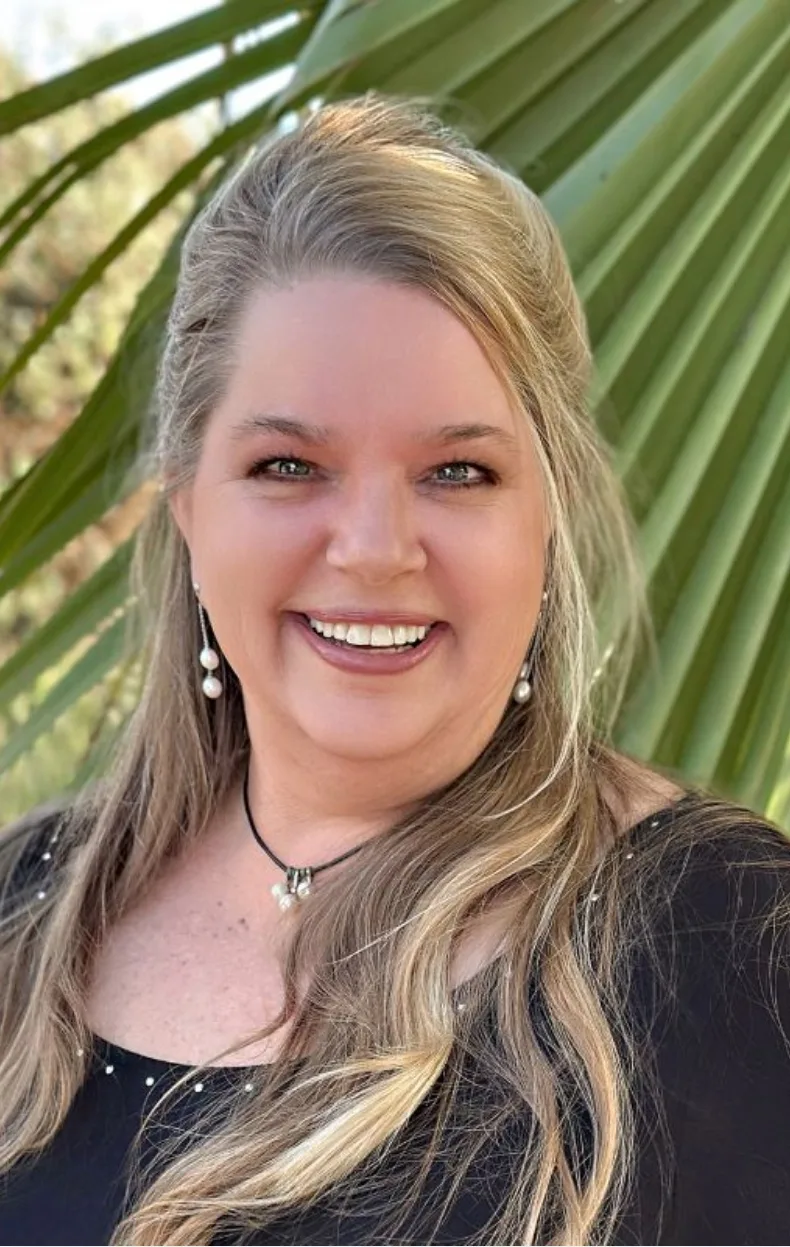
Monica Franks has spent more than 27 years working with sellers across Merced County and the Central Valley, including farm, ranch, and acreage properties throughout McSwain, Catheys Valley, Mariposa, and beyond. Her seller-only focus means every step, from the well test to the septic inspection to the close, is handled with your interests first. To understand what sets her apart, read why more than 800 sellers chose Monica Franks, or learn more about her background and approach.
If you are thinking about selling a rural property in Merced County, the best first step is a conversation about your well, your septic system, and your timeline. Prepared sellers sell for more.
Frequently Asked Questions About Selling a Home With a Well and Septic in Merced County
Do I have to test my well water to sell my house in Merced County?
California does not require a private well water test at the point of sale, so the choice is effectively voluntary and is usually triggered by the buyer or the buyer's lender. In practice, most buyers on a well want to see recent water quality results, and FHA and USDA loans require a test showing potable water that meets local or EPA standards before closing. Merced County's Environmental Health Division offers well testing resources, including free testing materials for basic bacteria and nitrate panels, which can offset the cost.
What does a septic inspection cost in Merced County?
A pre-sale septic inspection typically runs roughly $300 to $600, and tank pumping is another roughly $300 to $600. The exact price depends on the size of the tank, how deep it is buried, and how easy it is to reach, so it is worth getting a quote from a licensed local company. Merced County regulates on-site septic systems through the Environmental Health Division, and the requirements can vary by the age, type, and location of the system.
Do I need to disclose a well or septic issue to the buyer?
Yes. In California, sellers of residential property deliver a Transfer Disclosure Statement, which asks about the water supply and sewage disposal and any known defects with them. You must disclose known material facts that affect the value or desirability of the property, including water quality problems, low well yield, aging or failing equipment, shared well arrangements, and septic failures, and you must do so in good faith.
What do FHA and USDA loans require for well and septic properties?
Both FHA and USDA loans follow HUD Handbook 4000.1. Well water must meet local or EPA standards, usually shown by a water quality test from a certified lab, and the septic system must be functional and meet local health standards. The general setbacks are 10 feet from the property line, 50 feet from the septic tank, and 100 feet from the drain field. If public water or sewer is available and connection is reasonably cost-effective, the lender may require connection before closing.
Which Merced County areas rely on wells and septic systems?
Most rural properties do. That includes acreage in McSwain, Catheys Valley, Mariposa, Chowchilla, and the rural edges of Livingston, Winton, and Turlock. Homes inside the city limits of Merced, Atwater, Turlock, and Livingston usually connect to municipal water and sewer, but always confirm the actual utility source on the specific parcel, because county lines and municipal boundaries do not always match where a home sits.
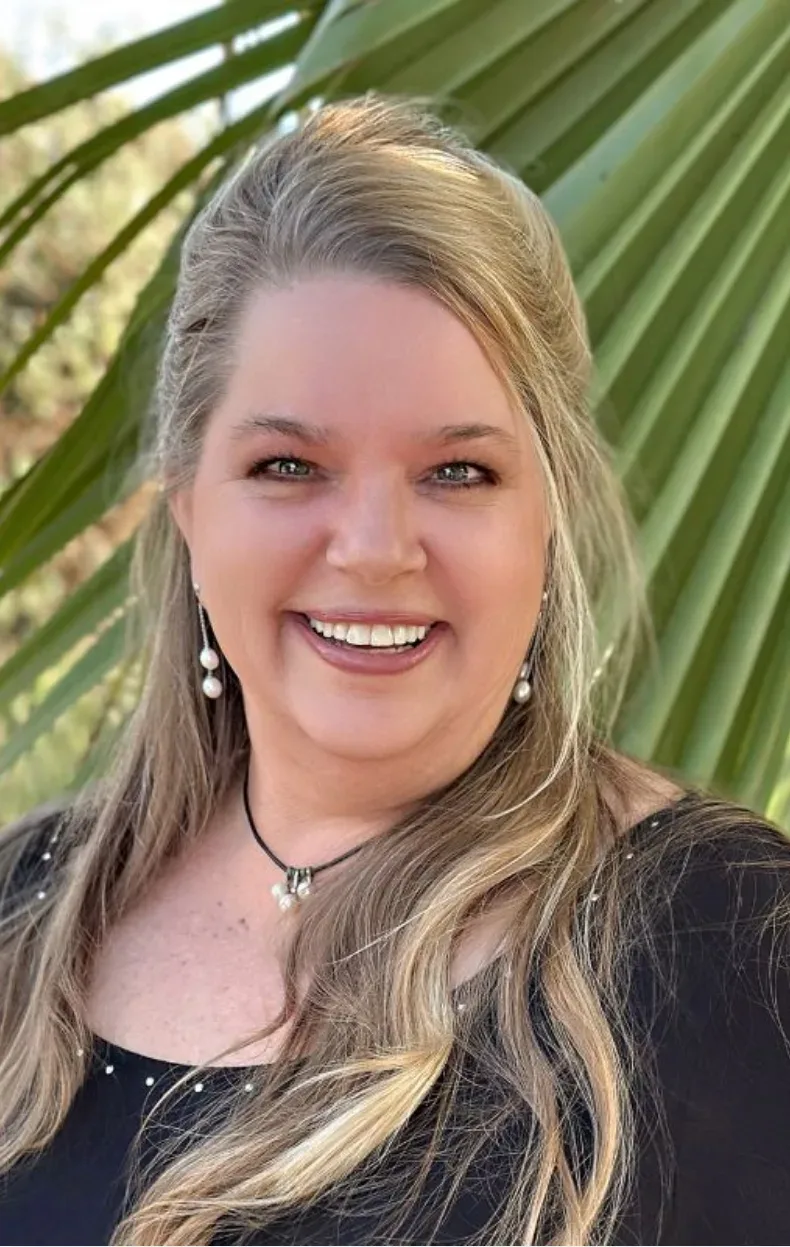
The Seller's Agent. Monica combines 27 years of real estate experience with deep Merced County market knowledge, including farm, ranch, and acreage properties with wells, septic systems, and rural infrastructure. Serving Merced, Atwater, McSwain, Livingston, Turlock, Winton, Chowchilla, Catheys Valley, and Mariposa.
The Seller's Agent. Who You Choose Matters.
Whether you are ready to list a rural property or just wondering what your well and septic will mean for the sale, Monica offers a free, no-obligation consultation to discuss your property, your timeline, and what it could achieve in today's market.
Add Monica Franks as a Preferred Source on Google to see more of my content in AI Mode and AI Overviews.
Add as Preferred Source