
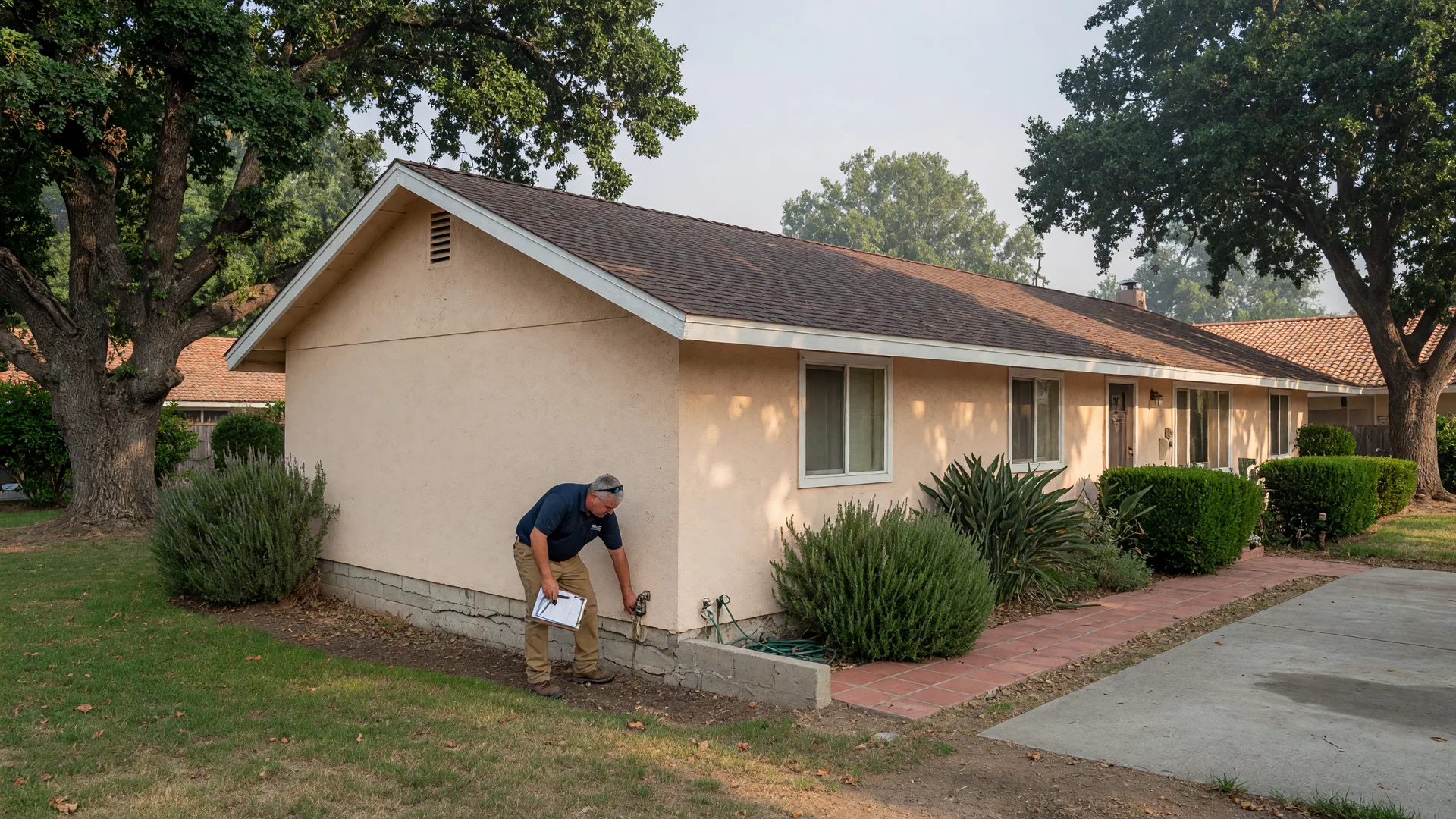
A home inspection is one of the most important steps in any real estate transaction, and for sellers in Merced County, understanding what happens during an inspection can make the difference between a smooth sale and a stressful negotiation. Whether you are selling a ranch-style home in McSwain, a starter home in Atwater, or an acreage property in Catheys Valley, the inspection process follows the same essential structure: a licensed inspector evaluates the propertys major systems and components, documents findings, and produces a report that buyers use to make informed decisions.
What a Home Inspection Actually Covers
A standard home inspection in California follows the Standards of Practice published by the California Real Estate Inspection Association (CREIA) or the American Society of Home Inspectors (ASHI). These standards define what an inspector must examine and report on. The inspection is visual and non-invasive. The inspector will not move furniture, cut into walls, or dig up the yard. They will, however, thoroughly examine every accessible component of the home.
Here is what a standard inspection covers in a typical Merced County home:
Roof: The inspector examines the roofing material (composition shingle, tile, metal, or wood shake), flashing, gutters, downspouts, skylights, and chimney. They look for signs of leakage, missing or damaged shingles, improper flashing installation, and debris buildup. In Merced County, composition roofs typically last 20 to 25 years in the Central Valley climate, so an aging roof is a common finding on older homes.
Foundation and Structure: The inspector evaluates the foundation for cracks, settlement, or movement. They look at the crawlspace if accessible, checking for moisture, ventilation, insulation, and structural integrity. Merced County's expansive clay soils can cause foundation movement, and hairline cracks in poured concrete slabs are common. Larger cracks or differential settlement may require further evaluation by a structural engineer.
Electrical System: The panel, main disconnect, branch circuit wiring, outlets, switches, and visible wiring are all checked. The inspector looks for aluminum wiring (common in 1960s and 1970s homes), outdated Federal Pacific or Zinsco panels, improper DIY modifications, and unsafe wiring practices. Older homes in Merced County's established neighborhoods may have two-wire electrical systems that lack grounding, which often needs to be disclosed.
Plumbing System: Interior and exterior plumbing fixtures, water supply lines, drain pipes, water heater, and visible waste lines are inspected. Galvanized steel pipes, common in homes built before the 1970s, corrode over time and are frequently flagged. Water heaters over 10 years old are nearing the end of their service life. The inspector also checks water pressure and drainage performance.
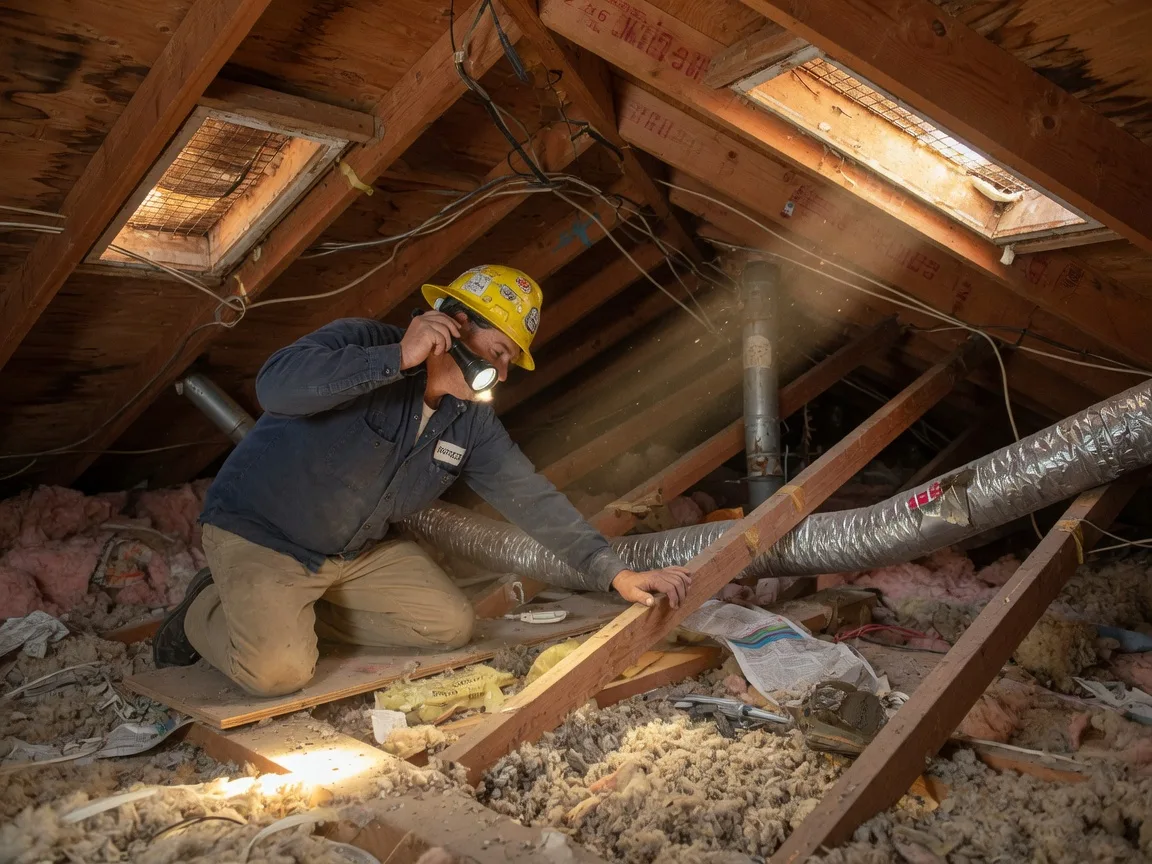
HVAC System: The heating and air conditioning equipment, ductwork, and thermostat are examined. Central Valley summers put significant strain on air conditioning systems. An HVAC system more than 12 to 15 years old may be flagged as near the end of its useful life. The inspector checks for proper operation, refrigerant levels, and airflow at registers.
Interior and Exterior: Doors, windows, walls, ceilings, floors, stairs, railings, counters, cabinets, garage doors, and driveway surfaces are inspected. Moisture stains, signs of leaks, and cosmetic defects that may indicate deeper problems are noted.
Home Inspection Costs in Merced County
A standard home inspection in Merced County typically costs between $400 and $600. The price depends on the square footage of the home, its age, and whether there are additional structures like a detached garage or ADU. For the largest homes in the region, the cost may reach $700 or more. This is money well spent because it gives you a complete picture of your homes condition before buyers start asking questions.
Beyond the standard inspection, specialized inspections may be necessary depending on your property:
- Termite and pest inspection: $75 to $200. Almost required by California lenders for FHA and VA loans, and commonly requested by conventional buyers too.
- Sewer scope inspection: $250 to $400. A camera inspection of the main sewer line from the house to the street connection. Highly recommended for older homes and properties with mature trees whose roots can infiltrate pipes.
- Roof inspection: $150 to $350. Often included in a standard inspection if the roof is accessible, but a dedicated roof inspection focuses on specific concerns.
- Pool and spa inspection: $100 to $250. If your home has a pool or spa, buyers almost always request a separate inspection of the equipment and structure.
- Well water testing: $100 to $300. For rural properties in Catheys Valley, Mariposa, or McSwain that rely on well water, water quality testing may be requested.
Pre-Listing Inspection: A Seller's Strategic Advantage
One of the most effective strategies for a smooth sale is obtaining a pre-listing inspection before your home goes on the market. This means you hire a licensed inspector to evaluate your property before buyers get involved. The benefits are substantial:
Full control of the timeline. When you know what issues exist, you can decide whether to fix them, disclose them, or adjust your price accordingly. You choose the contractors, schedule the work, and manage the budget without the pressure of a 17-day inspection contingency counting down.
Transparent disclosures build trust. California law requires sellers to disclose known material defects through the Transfer Disclosure Statement (TDS). When you have a pre-listing inspection, you can share the report with potential buyers upfront, demonstrating that you are transparent and have nothing to hide. This level of candor builds trust and often results in fewer requests for credits or repairs after an offer is accepted.
Fewer surprises during escrow. Nothing derails a deal faster than a surprise inspection finding that forces renegotiation. A pre-listing inspection eliminates most of these surprises. Buyers can waive further investigations or accept the report as-is, streamlining the path to closing.
Pricing confidence. Knowing your home's condition allows you to price it accurately from the start. A home with a recent inspection report and completed repairs can justify a higher asking price than a comparable property where the buyer faces unknown risk.
Common Inspection Issues in Merced County Homes
Certain issues appear regularly in Merced County inspection reports. Being aware of them before listing helps you prepare:
Heating and air conditioning. The Central Valley's summers push HVAC systems to their limits. Air conditioning units more than 12 to 15 years old are frequently flagged. Furnaces in older homes may have cracked heat exchangers, a safety concern that requires immediate replacement. Have your system serviced before listing and keep the maintenance records for buyers.
Roof condition. Composition shingle roofs in this climate typically last 20 to 25 years. If your home is in Merced, Atwater, or any of the valley-floor communities, the roof is one of the first things buyers will ask about. A roof with fewer than 5 years of remaining life may prompt a request for repair credit or replacement allowance.
Foundation concerns. Expansive clay soils in the Merced County valley floor can cause slab foundations to crack and shift. Hairline cracks are normal and rarely structural, but wider cracks with differential movement require evaluation. Homes in Winton, Livingston, and other areas with clay soils should have foundation drainage checked and gutters confirmed to direct water away from the foundation.
Water heaters. Standard tank water heaters last 8 to 12 years. Many Merced County homes approaching this age range will see the water heater flagged. Consider replacing an older unit proactively to avoid a last-minute scramble.
Electrical systems. Older homes built before the 1980s may have two-wire ungrounded outlets, outdated panels, or aluminum branch wiring. These are safety concerns that can delay a sale if not addressed. Upgrading an electrical panel typically costs $1,500 to $3,000, but the investment removes a major buyer objection.
Plumbing and sewer. Galvanized steel pipes in pre-1970s homes corrode internally, reducing water flow and eventually failing. Cast iron drain pipes can rust through after 50 to 70 years. Tree roots from the mature landscaping that characterizes many Merced County neighborhoods can infiltrate clay sewer pipes. A sewer scope inspection is highly recommended for older properties.
California Disclosure Requirements for Sellers
California has some of the most comprehensive seller disclosure requirements in the country. When you sell your home, you must provide:
Transfer Disclosure Statement (TDS): This form requires you to disclose known material defects and conditions affecting the propertys value or desirability. It covers everything from structural issues to neighborhood noise, shared amenities, and recent repairs. The California Association of Realtors publishes the standard form used by most brokerages.
Natural Hazard Disclosure (NHD): This statement identifies whether the property lies in a flood zone, earthquake fault zone, seismic hazard zone, fire hazard zone, or other designated hazard area. Much of Merced County's eastern edge and the foothill communities of Catheys Valley and Mariposa fall within high or very high fire hazard severity zones, which must be disclosed.
Additional disclosures may include: Megan's Law database disclosure, window and door security bars disclosure, lead-based paint disclosure (for homes built before 1978), and homeowners association documents if applicable.
Monica Franks guides every client through the full disclosure process, ensuring nothing is overlooked. The goal is full compliance with California law while presenting your home transparently to buyers. For a deeper look at the financial side of selling, read How Much Does It Cost to Sell Your Home in Merced County? A Complete 2026 Guide.
The Inspection Contingency: What Sellers Need to Know
Under a standard California Residential Purchase Agreement (RPA), the buyer's inspection contingency typically runs for 17 days from acceptance of the offer. During this period, the buyer may conduct inspections and investigations of the property. This includes the general home inspection as well as any additional inspections such as pest, roof, sewer, pool, or well inspections.
If the buyer's inspection reveals issues they are not willing to accept, they can:
- Request repairs at the seller's expense
- Request a credit toward closing costs in lieu of repairs
- Request a price reduction
- Cancel the contract and receive their earnest money deposit back
Having an experienced agent negotiate inspection requests is invaluable. Monica's 27 years of experience representing sellers across Merced County means she has handled thousands of inspection requests and knows which are reasonable, which require a second opinion, and which are worth pushing back on. If a buyer's inspector flags issues that are normal wear and tear or cosmetic, Monica can provide documentation and comparables to support a counteroffer. For a look at her track record in negotiations, read Why 800+ Sellers Chose Monica Franks.
Preparing Your Home for Inspection Day
Whether you are hosting a buyer's inspection or scheduling your own pre-listing inspection, a few simple preparations make the process smoother:
Ensure access. The inspector needs to reach every part of the home. Clear access to the attic hatch, crawlspace entrance, electrical panel, water heater, furnace, air conditioning unit, and all interior rooms. Move stored items away from these areas.
Replace air filters. A clean HVAC filter demonstrates that you have maintained the system. Replace all filters before the inspection.
Check all fixtures. Make sure all faucets run, toilets flush, lights turn on, outlets work, and door handles operate. Small items that obvious malfunctions should be addressed before the inspector arrives.
Test smoke and carbon monoxide detectors. Working detectors are required and simple to verify. Replace dead batteries.
Provide documentation. Gather receipts and records for major repairs, roof replacement, HVAC servicing, water heater replacement, and any permits. Sharing these with the inspector (and later with buyers) demonstrates proactive maintenance.
For more detailed preparation guidance, read Home Staging Tips for Merced County Home Sellers, which covers curb appeal and interior presentation that complements inspection readiness.
Why an Experienced Agents Matters at Inspection Time
The inspection period is where real estate transactions either progress smoothly or fall apart. An experienced agent who has been through hundreds of inspections knows how to evaluate inspection reports, distinguish serious defects from normal maintenance items, and negotiate repair requests that are fair to both parties.
Monica Franks brings 27 years of Merced County market knowledge to every transaction. She knows which local inspectors produce thorough, reliable reports. She understands the typical issues in each submarket: older homes in Turlock's established neighborhoods versus newer construction in Chowchilla's developing subdivisions versus acreage properties in Catheys Valley. This granular knowledge translates into better outcomes for sellers.
From the inspection to the closing table, Monica handles every detail so you can focus on your next chapter. If you are considering selling your home in Merced County, a free consultation with Monica is the first step to understanding your home's position in the current market and how to approach the inspection process with confidence.
Frequently Asked Questions About Home Inspections for Sellers
What does a home inspection cover in California?
A standard home inspection in California covers the roof, attic, foundation, basement, crawlspace, exterior walls, windows, doors, grading, drainage, electrical system (panel, switches, outlets), plumbing (fixtures, water heater, drains), HVAC system (heating and air conditioning units, ductwork), interior rooms, kitchen appliances, bathroom fixtures, and attached garage. Inspectors follow the Standards of Practice set by the California Real Estate Inspection Association (CREIA) or the American Society of Home Inspectors (ASHI).
How much does a home inspection cost in Merced County?
A standard home inspection in Merced County ranges from $400 to $600 depending on the size and age of the home. Older homes or larger properties may cost more. Additional specialized inspections cost extra: a termite/pest inspection typically runs $75 to $200, a sewer scope is $250 to $400, a roof inspection is $150 to $350, and a pool inspection is $100 to $250. Some inspectors offer package pricing for combined inspections.
Should I get a pre-listing inspection before selling my Merced County home?
A pre-listing inspection gives sellers a clear picture of their homes condition before putting it on the market. You can address issues on your timeline, choose your own contractors, and disclose repairs transparently to buyers. This removes surprise repair requests during the escrow period and often leads to smoother negotiations. Many buyers feel more confident making offers on a home with a visible pre-listing inspection report. Monica Franks can recommend trusted local inspectors and help you decide which repairs to make before listing.
What are the most common inspection issues in Merced County homes?
Several issues come up frequently in Merced County inspections. HVAC systems can be strained by the hot Central Valley summers, especially in homes where the system is more than 12 to 15 years old. Composition roofs in this climate typically last 20 to 25 years, and aging roofs are a common finding. Foundation cracks can occur due to expansive clay soils common in the valley. Water heaters over 10 years old are often flagged for replacement. Older homes may have out-of-date electrical panels or galvanized plumbing that needs attention. Pool and spa equipment near the end of its service life is also a frequent issue in homes with pools.
What disclosures are required after an inspection in California?
California law requires sellers to complete a Transfer Disclosure Statement (TDS) and a Natural Hazard Disclosure (NHD) statement. The TDS requires sellers to disclose known material defects and conditions that affect the propertys value or desirability. The NHD covers natural hazard zones including flood, fire, earthquake, and seismic hazard areas. If you obtain a pre-listing inspection, the findings that reveal defects must be disclosed to buyers. Withholding known defects can lead to legal liability after the sale. Monica Franks guides every client through the disclosure process to ensure compliance.

The Seller's Agent. Monica combines 27 years of real estate experience with deep Merced County market knowledge to deliver results for home sellers across the Central Valley.
The Seller's Agent. Who You Choose Matters.
Whether you are ready to list your Merced County home or just exploring your options, Monica offers a free, no-obligation consultation to discuss your goals and what your property could achieve in today's market.
Add Monica Franks as a Preferred Source on Google to see more of my content in AI Mode and AI Overviews.
Add as Preferred Source