Farm and Ranch
Sales.
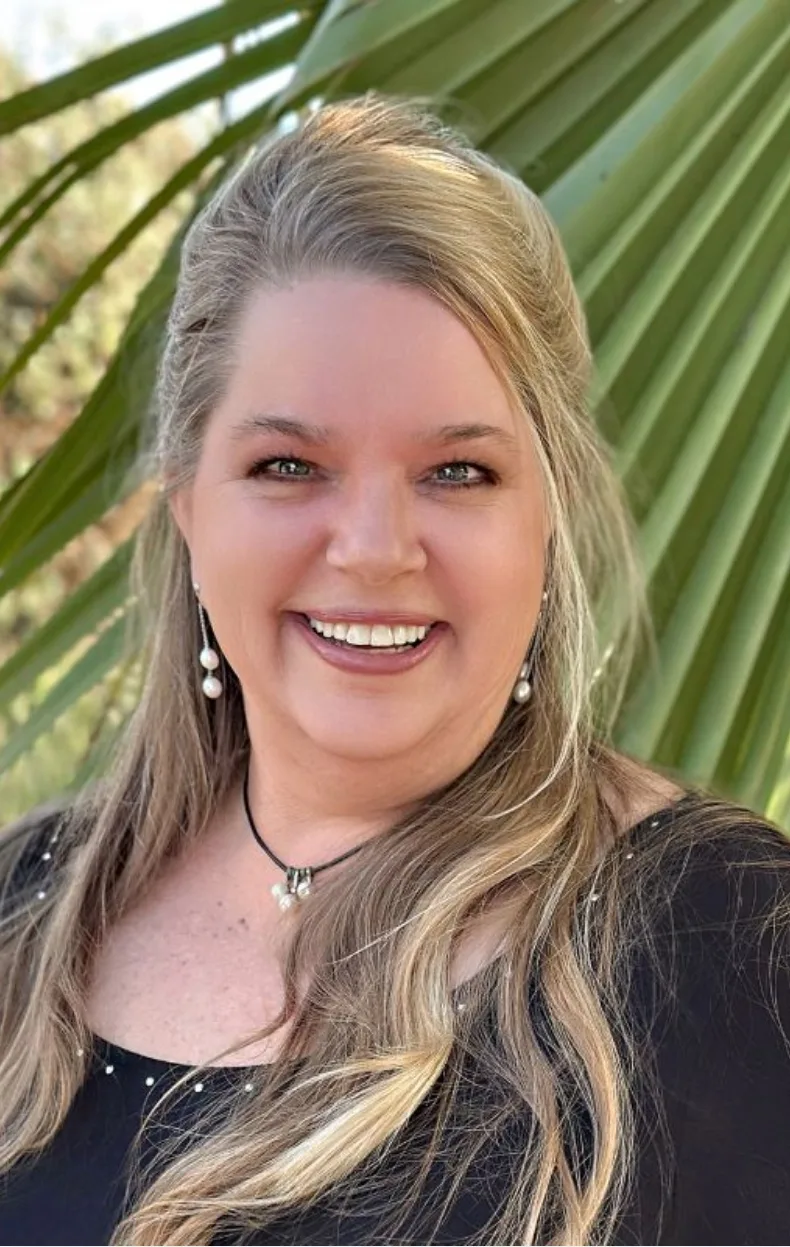
Monica Franks helps owners market agricultural land, orchards, ranches, and rural acreage throughout Merced County and the Central Valley using local pricing research, land-use details, water and utility information, targeted promotion, negotiation, and transaction coordination.
Service at a Glance.
Agricultural Land
Marketing Approach.
Selling agricultural land requires a different approach than residential real estate. Buyers are typically farmers, ranchers, investors, or developers, and each has specific criteria. I research the local market, including recent sales of comparable agricultural properties, to determine a competitive price.
I highlight the land's productive characteristics, including soil quality, water availability, current use, and any improvements. I document the property's history and features so buyers can evaluate its potential without needing to make assumptions.
My marketing reaches agricultural buyers through the MLS, targeted digital channels, and my network of professionals who work with farm and ranch properties. I focus on connecting the property with the right buyer rather than casting a wide net.
Water Sources, Wells,
and Irrigation.
Water access is the single most important factor in agricultural land value. I document the property's water sources, including wells, irrigation districts, canals, and surface water rights. I also note any existing well permits, pump specifications, and historical water usage.
For properties in irrigation districts, I verify the district name, the number of acre-feet allocated, and any transferability restrictions. This information is critical to buyers who need to understand the property's ongoing water availability.
I recommend that buyers verify water rights and availability with the applicable water district or agency before completing their purchase. Water regulations can be complex, and independent verification protects all parties.
Utilities and
Rural Infrastructure.
Rural properties vary widely in utility access. I document the availability of electricity, natural gas, and telecommunications. For properties without utility connections, I note the distance to the nearest connection point and any known costs for bringing service to the property.
I also consider infrastructure such as fencing, corrals, barns, equipment sheds, and other agricultural improvements. These structures add functional value, and I include them in the property's marketing narrative.
Buyers should budget for potential infrastructure improvements and verify utility connection costs with the relevant providers before making an offer.
Road Access and
Location.
Road access affects the property's usability and marketability. I confirm whether the property has legal access via a public road or recorded easement and whether the road is maintained by the county or a private entity. Year-round access is especially important for agricultural operations.
I also consider the property's location relative to markets, processing facilities, equipment suppliers, and major transportation routes. For ranches, proximity to veterinary services and feed suppliers can be a factor.
I present this information in the marketing materials so buyers can evaluate the property's operational logistics and access costs.
Current Use and
Zoning.
I document the property's current use, whether it is row crops, orchards, pasture, grazing, or fallow land. I also verify the zoning designation and confirm that the current use is consistent with the zoning. This information helps buyers understand what they can and cannot do with the property.
Zoning for agricultural land may include minimum parcel sizes, setback requirements, and restrictions on non-agricultural uses. I pull this information from the county planning department and include it in the listing.
Buyers should independently verify that their intended use is permitted under current zoning and land-use regulations. I can help identify the appropriate county or city contacts for this verification.
Improvements and
Existing Structures.
Barns, equipment sheds, fencing, corrals, irrigation systems, and other improvements add value to agricultural properties. I document the condition and capacity of these structures so buyers can assess their utility and any required maintenance or upgrades.
I also note whether the property includes a residence. If a farmhouse or ranch home is part of the sale, I evaluate it separately and provide details on its condition and features.
Improvements should be inspected by qualified professionals during the due diligence period so buyers have a clear picture of their condition and expected lifespan.
Qualified-Buyer
Targeting.
Agricultural buyers are a specialized audience. I target my marketing to reach farmers, ranchers, agricultural investors, and land developers who are actively looking for properties in the Central Valley. I use the MLS, agricultural real estate platforms, and my professional network to connect with qualified buyers.
I also work with other agents who specialize in agricultural properties to expand the reach of the listing. These relationships help me find buyers who might not be searching the general market.
My goal is to generate interest from buyers who understand the value of agricultural land and are prepared to act on a purchase.
Due Diligence for
Farm and Ranch Transactions.
Due diligence in agricultural transactions is more involved than a standard home sale. Buyers should verify water rights, soil quality, environmental conditions, and any existing leases or permits. I help coordinate access for inspections and provide the documentation I have available.
I also recommend that buyers consult with an agricultural attorney, tax professional, and land-use specialist to ensure they understand the full scope of the transaction. These professionals can identify issues that a general real estate practitioner might not catch.
I do not make unsupported claims about agricultural production or future land use. My role is to present the facts and help both parties navigate the transaction with accurate information.
Frequently Asked
Questions.
How is agricultural land valued differently from residential property?
Agricultural land is valued based on productive capacity, soil quality, water availability, and location. I compare recent sales of similar agricultural properties, accounting for acreage, current use, improvements, and access to water and infrastructure. The approach is different from residential comps and requires local market knowledge.
What water information do I need to provide for a farm or ranch sale?
I document all available water sources, including wells, irrigation district allocations, canal access, and surface water rights. Well permits, pump specifications, and historical water usage records are helpful when available. Buyers should verify water rights and availability with the applicable water district or agency.
Do I need a special agent to sell farm or ranch property?
An agent who understands agricultural land transactions is important. I have experience with rural properties in Merced County and the Central Valley, including water rights research, zoning verification, and marketing to agricultural buyers. I also work with a network of professionals who specialize in farm and ranch transactions.
What inspections are needed for a farm or ranch property?
Inspections may include well flow testing, water quality testing, septic system inspection, structural inspection of barns and outbuildings, soil testing, and environmental assessments. The specific inspections depend on the property type and the buyer's intended use. I help coordinate access for inspections during the due diligence period.
How long does it take to sell agricultural land?
Agricultural properties typically have a longer marketing period than residential homes. The timeline depends on the property type, price, location, water availability, and current market demand for agricultural land. I provide a realistic timeline estimate during our initial consultation based on the specific property and local market conditions.
Request a Property
Marketing Consultation.
Ready to market your agricultural property? Schedule a free, no-obligation consultation with Monica. She will review your land, discuss your goals, and create a marketing strategy tailored to your farm or ranch.
Request a Property Marketing ConsultationRelated Services.
Building Lot Sales
Residential lots, acreage, and homesite marketing.
Luxury Real Estate
Custom homes, estates, and high-value property representation.
Warehouse Property Sales
Warehouse, flex, and commercial property marketing.
Monica Franks · REALTOR® · DRE 01269788 · CA
HomeSmart PV and Associates
(209) 345-3836 ·
Monica@MonicaFranks.com