

What must sellers disclose when selling a home in Merced County? California law requires sellers of residential property to complete a Transfer Disclosure Statement, disclose mapped natural hazard zones, and provide notices on lead-based paint, Megan's Law, Mello-Roos special taxes, and more. The full package is delivered to the buyer before the purchase contract is signed, and it cannot be waived. Getting it right protects your sale from disputes, so here is exactly what the law requires and how a seller's agent handles it in Merced County.
What must sellers disclose when selling a home in Merced County?
The centerpiece of the California disclosure package is the Transfer Disclosure Statement, or TDS, required by California Civil Code Section 1102 for sales of homes with one to four units. On a standardized form, the seller checks the condition of the fixtures, appliances, plumbing, electrical, roof, foundation, and other systems, and discloses any known material defects and environmental hazards. The seller completes it personally, because the law holds the seller responsible for what they know, not what an inspector finds later.
The TDS must be delivered to the buyer before the purchase contract is executed, and it cannot be waived. If it is delivered after the contract is signed, the buyer gains a right to cancel. That is why a complete, honest package delivered up front is the fastest path to a clean sale. The California Department of Real Estate's disclosure guide (RE 6) walks through the full set of required forms and is a useful reference for any seller.
Natural Hazard Disclosure: flood, fire, fault, and more
Under California Civil Code Section 1103, sellers must disclose whether the property lies in any mapped hazard zone: special flood hazard areas, very high fire hazard severity zones, earthquake fault or seismic hazard zones, dam inundation zones, and wildland fire areas. Most Merced County sales order a third-party Natural Hazard Disclosure (NHD) report through escrow, which pulls the property against official state and federal maps and is delivered with the rest of the package.
The hazard map matters differently across the county. In the valley floor, flood zones follow the Merced River, Bear Creek, and the canal corridors that thread through Merced, Atwater, and Livingston. In the foothill communities of McSwain, Catheys Valley, and Mariposa, very high fire hazard severity zones are common, and buyers there pay close attention to defensible space and insurance availability. A clean NHD report gives a buyer confidence, and a flagged zone is simply disclosed, priced, and handled rather than hidden.
Lead-based paint and Megan's Law: the notices buyers must receive
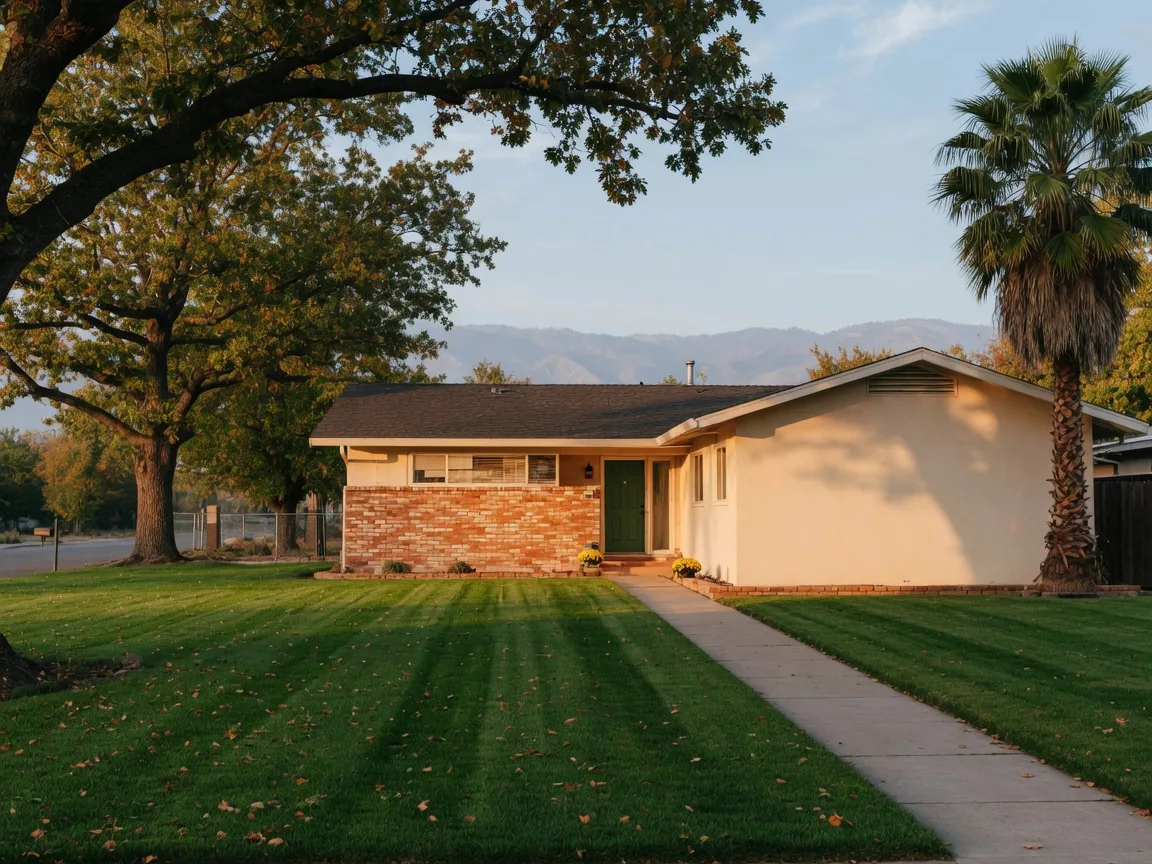
For homes built before 1978, federal law requires the seller to disclose any known lead-based paint hazards, provide the buyer with the EPA's lead hazard pamphlet, and include a lead warning statement in the purchase contract. A large share of Merced County's housing stock was built between the 1950s and 1970s, so this applies to many of the ranch homes and bungalows across the county. The disclosure is a short, standard form, but it is mandatory.
Every California residential sale also includes a Megan's Law notice under Civil Code Section 2079.10a. The notice tells buyers that information on registered sex offenders is available from the local police or sheriff and from the state's MegansLaw.ca.gov database. It is a simple informational notice, but leaving it out of the package is an avoidable error that can delay a close.
Mello-Roos, death on the property, and the rest of the packet
Several more disclosures round out the package. If the property sits in a Mello-Roos Community Facilities District, the seller must disclose the special tax lien under Civil Code Section 1102.6b. This matters in newer Merced County subdivisions where the developer financed roads, sewer, or parks through a CFD, and the annual assessment is a real cost the buyer will carry.
On deaths in the home, Civil Code Section 1710.2 sets the rule: you are not required to disclose a death, or its manner, if it occurred more than three years before the buyer's offer. A death within three years must be disclosed if the buyer asks, and there is no duty to disclose that an occupant had HIV or died of AIDS-related causes. If a buyer asks directly, you must answer truthfully.
The rest of the packet includes the Supplemental Property Questionnaire, required smoke and carbon monoxide detector disclosures, water heater bracing requirements, and, for homes built before 1960, a Residential Earthquake Hazards Report. Your listing agent and title company will lay out the exact forms for your transaction, but the TDS, NHD, lead paint, and Megan's Law items are the ones every seller should know by name.
What rural and acreage sellers should know
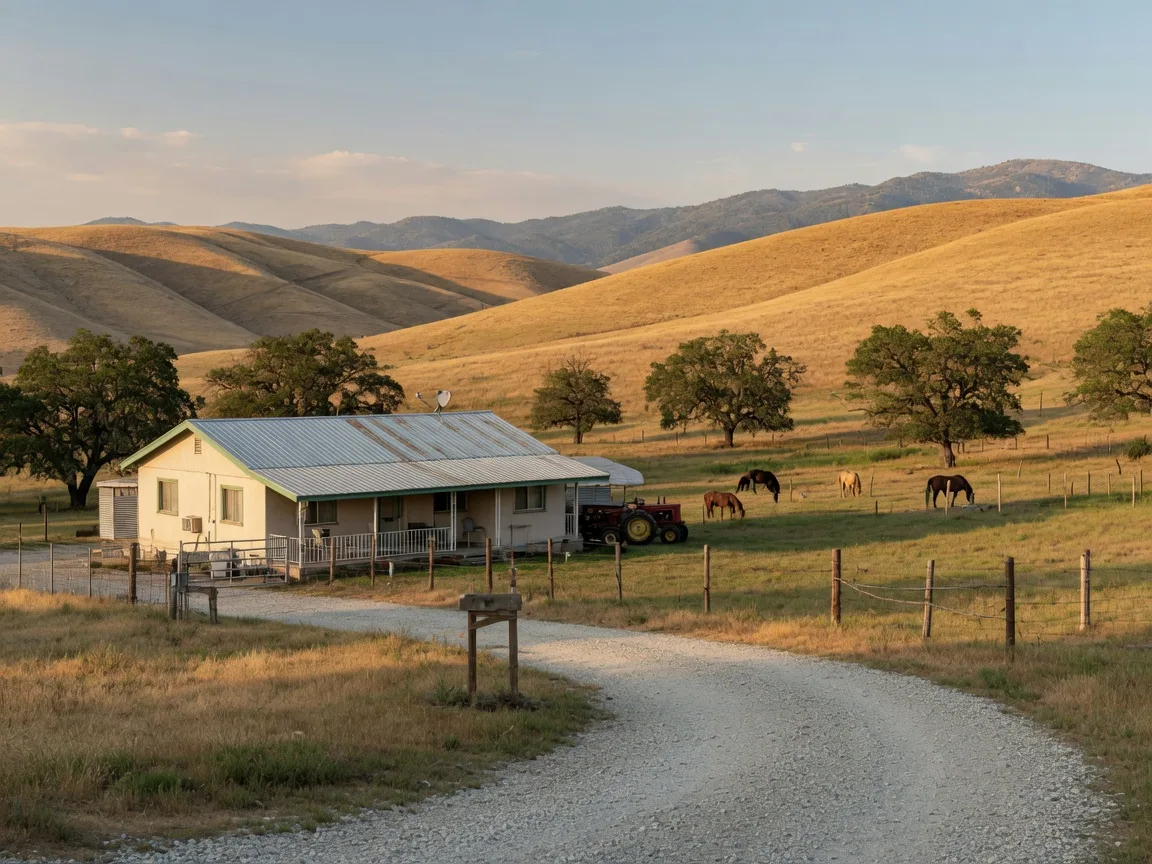
Merced County's foothill and acreage communities add a separate layer of disclosures. If your property has a well, disclose what you know about its condition, because buyers commonly test water quality during inspection. If it has a septic system, disclose its age and condition, and expect a buyer to request a septic inspection. Easements, shared driveways, agricultural buffers, and mineral rights are also worth putting in writing so there are no surprises.
The broader guide to selling a home with acreage in Merced County covers wells, septic, and rural pricing in depth, and it is the right read for anyone listing a ranchette in McSwain, Catheys Valley, or Mariposa. The disclosure principle is the same as in town: put the facts on paper, price the property honestly, and let a buyer proceed with clear eyes.
What happens if you skip a disclosure
An incomplete or inaccurate Transfer Disclosure Statement is the most common source of post-sale disputes in California. If a buyer discovers a defect you knew about but did not disclose, they may be able to rescind the sale, sue for damages, or negotiate a credit after closing. A disclosed issue is a negotiation point that can be priced into the deal; a hidden issue is a liability that can follow you long after the keys are handed over.
The practical math favors disclosure. A buyer who learns about a dated roof or a cracked slab before the offer simply accounts for it, and the deal proceeds. A buyer who discovers it after closing feels misled, and that feeling is expensive to resolve. This is one reason the guide to choosing a real estate agent in Merced County stresses experience: a seasoned seller's agent keeps the package complete so the sale never stalls on a missing form.
How a seller's agent handles the disclosure package
In practice, the disclosure package is assembled before the home is even marketed. I ask sellers to gather permits, receipts, warranties, and any prior inspection reports early, then I order a pre-listing inspection so there are no surprises. We complete the Transfer Disclosure Statement honestly, room by room, and I order the NHD report through escrow so the buyer gets a verified hazard map. The package is delivered before the contract is signed, which avoids the cancellation window and keeps the timeline tight.
That preparation is part of the broader approach covered in the guide to selling your home in Merced and in Monica's work as a dedicated seller's agent: pricing, presentation, and paperwork handled by someone who has closed more than 800 homes in the county. When the disclosures are done right, the buyer's inspection is a formality, not a fight, and the sale moves on schedule.
Disclosures also connect directly to your net proceeds. A complete package rarely changes the price you negotiate, because a disclosed issue is simply priced in. A missing disclosure, by contrast, can surface as a credit, a repair concession, or a delayed close, all of which eat into the bottom line. The guide to home selling costs in Merced County shows what commissions, closing costs, and concessions take out of the top line, and a clean disclosure package is one of the cheapest ways to keep that number low.
The bottom line for Merced County sellers
Disclosure is not a box to check; it is the foundation of a clean sale. Complete the Transfer Disclosure Statement honestly, order the Natural Hazard Disclosure, and include the lead paint, Megan's Law, Mello-Roos, and supplemental items that apply to your property. Do it before the contract is signed, and you remove the most common cause of post-sale disputes before they can start.
Every home is different, and the exact package depends on your property's age, location, and systems. A free, no-obligation consultation covers your disclosures, your timeline, and what your home could achieve in this market. Reach out through the contact page, email Monica@MonicaFranks.com, or call (209) 345-3836, and let's build the plan that fits your home.
Frequently Asked Questions About Seller Disclosures
What must sellers disclose when selling a home in Merced County?
California law requires sellers of residential property (1 to 4 units) to deliver a package of statutory disclosures before the buyer signs the contract. The centerpiece is the Transfer Disclosure Statement, a standardized form on which you disclose known material defects and the condition of fixtures, appliances, and systems. You must also provide a Natural Hazard Disclosure covering mapped flood, fire, and earthquake zones, a federal lead-based paint disclosure for homes built before 1978, a Megan's Law notice, and, where applicable, a Mello-Roos special tax disclosure. The package cannot be waived, and it is delivered before the purchase contract is signed.
Do I have to disclose that someone died in my house?
Under California Civil Code Section 1710.2, you are not required to disclose a death on the property, or its manner, if it occurred more than three years before the buyer's offer. If a death occurred within the last three years, you must disclose it if the buyer asks. The law also states there is no duty to disclose that an occupant had HIV or died of AIDS-related causes. If a buyer directly asks about deaths on the property, you must answer truthfully.
What happens if I don't disclose a known defect?
An incomplete or inaccurate Transfer Disclosure Statement is the most common source of post-sale disputes in California. If a buyer discovers a defect you knew about but did not disclose, they may be able to rescind the sale, sue for damages, or negotiate a credit after closing. A disclosed issue is a negotiation point that can be priced in; a hidden issue is a liability that can follow you long after the keys are handed over.
Do I need a natural hazard disclosure report?
Yes. California Civil Code Section 1103 requires sellers to disclose whether the property lies in any mapped hazard zone, including special flood hazard areas, very high fire hazard severity zones, earthquake fault or seismic hazard zones, dam inundation zones, and wildland fire areas. Most Merced County sales order a third-party Natural Hazard Disclosure report through escrow, which verifies the property against official maps and is delivered to the buyer with the rest of the package.
When do I give the buyer the disclosures?
The Transfer Disclosure Statement and the rest of the disclosure package must be delivered to the buyer before the purchase contract is executed. If additional disclosures are delivered after the contract is signed, the buyer typically gains a right to cancel the agreement within a set number of days. Delivering a complete package up front avoids that cancellation window and keeps the sale moving on schedule.
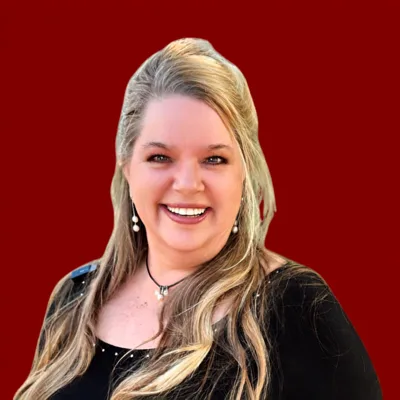
The Seller's Agent. Monica combines 27 years of real estate experience with deep Merced County market knowledge to deliver results for home sellers across the Central Valley. She has represented more than 800 home sales and focuses exclusively on sellers, from pricing and staging to disclosures, negotiation, and close.
The Seller's Agent. Who You Choose Matters.
Whether you are ready to list this month or planning a spring sale, Monica offers a free, no-obligation consultation to discuss your goals, your timeline, and what your property could achieve in today's market.
Add Monica Franks as a Preferred Source on Google to see more of my content in AI Mode and AI Overviews.
Add as Preferred Source