Published · Solar policy and utility details current as of fall 2026
Selling a home with solar panels in Merced County can work in your favor, provided the system is owned and the paperwork is clean. California buyers see rooftop solar on listings across the Central Valley, and a paid-off system is a genuine selling point: a 2023 Zillow analysis of California listings found homes with owned solar sold for about 4.1 percent more than comparable homes. The catch is that a leased or financed system changes the paperwork, the price, and sometimes the buyer pool. Here is what Merced County sellers need to know in 2026.
Which kind of solar is on your roof: owned, leased, or a PPA?
The first question in any solar sale is ownership, because it decides almost everything else. The National Association of REALTORS' consumer guide on how solar impacts a real estate transaction sorts every roof into three arrangements. Owned means you bought the system outright or financed it with a loan, and the panels transfer with the home. Leased means a solar company owns the equipment and you pay a fixed monthly lease. A power purchase agreement, or PPA, is like a lease, except you pay for the electricity the panels produce rather than for the equipment itself.
Owned systems are the simplest to sell: they transfer with the property, no approval needed, no signatures required. If a loan financed the system, the loan is typically paid off from your sale proceeds at closing, and the appraiser will not count the panels as adding value until that happens. Leases and PPAs are the opposite: the buyer is not buying the panels, they are assuming an ongoing contract, which means a credit check, a formal approval by the solar company, and a transfer that can take two to six weeks. Buyers using FHA or VA financing generally cannot assume a solar lease at all, which quietly shrinks your buyer pool if the home is leased.
Do solar panels add value to a home in Merced County?
The value question comes down to the same ownership split. The 2023 Zillow analysis found California homes with owned rooftop solar sold about 4.1 percent higher than comparable homes without it, which on a Merced County median near $440,000 is a meaningful difference. The National Association of REALTORS has also reported that roughly 58 percent of real estate agents say energy-efficient features in a listing add value, and owned solar is the feature buyers ask about first in a hot valley climate.
A lease or PPA, by contrast, is usually value-neutral at best. The buyer is taking on a monthly obligation, and some lenders are reluctant to write a mortgage against a home with an active solar lease. On a showing, the conversation shifts from an asset to a contract, which is why sellers of leased systems sometimes offer a credit, a buyout split, or a payoff of the remaining lease to keep the deal moving. The smart move is to know which bucket you are in before you price the home. My guide to pricing your home to sell in Merced County walks through how to position the system in the list price without overreaching.
What California law requires sellers to disclose
California is explicit about solar in a home sale. The Transfer Disclosure Statement asks about the system and how it is financed, and the standard state association solar questionnaire captures the ownership type, the installer, the age of the system, and the terms of any lease or warranty. Beyond the forms, California Civil Code section 1102.6d requires a seller with a leased or financed solar energy system to give the buyer a copy of the lease, loan, or power purchase agreement and to obtain the buyer's written acknowledgment that they received it. No acknowledgment, no clean close.
Two more items surface in title, whether the seller volunteers them or not. A PACE assessment attached to the property shows on the county record and is paid through the property tax bill, and a loan secured by the panels or the home shows as a recorded lien or UCC filing that escrow must satisfy before closing. None of this is an obstacle, it is a checklist: disclosure on the forms, the contract copies in the packet, and the payoff amounts on the settlement statement. My guide to what sellers must disclose in Merced County covers the full disclosure packet, solar included.
The local utility angle: TID, MID, and NEM 3.0
Here is where Merced County stops being a statewide story. Which utility serves the property decides what the solar really does financially, and the answer changes street by street. Turlock homes sit in Turlock Irrigation District territory, where the traditional net metering program closed to new customers years ago after the district hit its cap. Today a new Turlock rooftop system lands on a self-generation rate: a customer charge, a demand charge based on the highest 15-minute draw in the billing period, and time-of-use energy rates, with excess generation credited at a wholesale-style avoided cost near 7.9 cents per kilowatt-hour in the district's 2024 figures. A Turlock buyer asks about the demand charge, because that is what makes the panels behave differently than a PG&E rooftop.
Most of the rest of the county is different. Merced Irrigation District provides electric service across much of the City of Merced and in Atwater and Livingston, and the remaining addresses, including Winton, Chowchilla, and the foothill communities, fall under Pacific Gas and Electric. For new interconnections at PG&E and the other large utilities, NEM 3.0 has applied since April 2023, with export credits roughly 75 percent below the old NEM 2.0 rate. The critical detail for sellers: systems interconnected before the April 2023 cutoff keep their original net metering terms for 20 years from the interconnect date. A grandfathered system is a genuine asset worth calling out in the listing, because a new system installed today would earn far less for every kilowatt-hour it sends back to the grid.
The practical advice is simple. Check the electric bill before you list, note the exact tariff, and hand that detail to the buyer's agent in the first round. A buyer evaluating a Turlock home wants to know whether the system predates the closure of net metering, and a buyer in the Turlock market or anywhere else in Merced County's service area pages will make a more confident offer when the energy story is concrete instead of vague.
The paperwork to gather before you list
Sellers who assemble the solar file before marketing save themselves the most common escrow delays. The packet should include the original purchase contract for an owned system or the full lease or PPA agreement, the installer name and system age, the manufacturer and workmanship warranties, the interconnection agreement with the utility, and 12 months of electric bills that show the system's actual production and the pattern of true-up credits. If you have a monitoring app, note the login, because a buyer's inspection will ask to see it running.
The home inspection covers the panels too, and Merced County inspectors know what to look for: secure mounting, proper wiring at the inverter, clearance from the roof edge, and the condition of the shutoffs. A pre-listing inspection that confirms the array is sound prevents the "roof panels need review" contingency from stalling escrow. My guide to the Merced County home inspection process explains what inspectors check and what sellers fix first. And for the payoff side of the ledger, the breakdown in my guide to what it costs to sell a home in Merced County helps you budget the solar loan or lease payoff into your net sheet.
Pricing and presenting a solar home
A solar home sells best when the energy story is part of the presentation. Start with the system itself: panels cleaned and clear of debris, the inverter visible and working, the monitoring app live, and the utility bill showing the tariff in plain view. Share the 12-month production summary with prospective buyers the way you would share the square footage, because a buyer in a valley summer reads kilowatt-hours as dollars.
Where batteries are involved, lead with them. Under NEM 3.0, home storage is what makes solar pay, because the battery lets the owner use stored power during the high-rate evening window instead of selling midday power back at a fraction of the retail rate. A home with panels and a battery is the strongest energy position in the county, and it belongs in the marketing copy, not just in the disclosures. Keep the system easy to understand in the listing: owned or leased, age, tariff, and average monthly savings, in that order.
The bottom line for Merced County sellers
Selling a home with solar panels in Merced County comes down to three moves: know which ownership arrangement sits on the roof, know which utility tariff applies, and put the paperwork on the table first. Owned systems with grandfathered net metering are selling points worth real money, near 4.1 percent in the California data. Leased systems are manageable, but they require early disclosure, buyer approval, and often a negotiation about who pays what at close. Either way, a prepared seller keeps the energy conversation an advantage instead of a contingency.
I have represented sellers across Merced County for more than two decades, and the solar question comes up on a growing share of every listing appointment, from a 1990s ranch in Winton to a newer tract home near UC Merced. Read more about my background as The Seller's Agent, or schedule a free consultation and we will go through your solar paperwork together before a single dollar is spent on marketing.
Sources
The ownership and transaction guidance in this guide draws on the National Association of REALTORS' consumer guide on solar in a real estate transaction. The California disclosure requirement is quoted from California Civil Code section 1102.6d. NEM 3.0 timing and export-credit details follow EnergySage's NEM 3.0 explainer. Turlock-specific rules come from the Turlock Irrigation District's official Go Solar pages, including the closed net metering program, self-generation rates, and the avoided-cost credit. The solar home value premium is attributed to Zillow's 2023 analysis of California listings, as reported in the sources above.
Frequently Asked Questions About Selling a Home With Solar in Merced County
Do solar panels add value to a home in Merced County?
Only when the system is owned. A 2023 Zillow analysis of California listings found homes with owned solar sold for about 4.1 percent more than comparable homes. A leased system or power purchase agreement generally adds little or nothing to the sale price, because the buyer is not buying the panels, they are assuming a contract with its own monthly cost and its own approvals, credit check, and transfer timeline.
Can a buyer take over a solar lease when they buy the home?
Yes, but only after the solar company approves them. The buyer must qualify financially and sign the lease or PPA assumption, a process that can take two to six weeks and needs to start before you open escrow, not after. Buyers using FHA or VA financing generally cannot assume a solar lease at all, so ask about financing early.
What must a seller disclose about solar panels in California?
The Transfer Disclosure Statement requires the seller to disclose the solar system and how it is financed. When the system is leased or financed, California Civil Code section 1102.6d requires the seller to give the buyer a copy of the lease, loan, or power purchase agreement and to obtain a signed acknowledgment of receipt. PACE assessments and UCC filings tied to the system also show up in the title report and must be handled in escrow.
Does NEM 3.0 make a solar home worth less in Merced County?
Not for homes with older systems. Solar interconnected before April 2023 at the big investor-owned utilities is grandfathered on the old net metering terms for 20 years from the interconnect date, which is a genuine selling point. New systems under NEM 3.0 receive much lower export credits, which is why a buyer asks about the tariff on your bill. In Turlock, the question is different: TID's net metering program is closed to new customers, and new solar users are on self-generation rates with a demand charge.
Who pays off a solar loan when the home sells?
The seller's proceeds handle it, through escrow, before title transfers. The lender that financed the panels holds a recorded security interest, and the payoff is a standard part of closing. An appraiser also will not count the system's contributory value until that loan is paid off, so plan the payoff amount into your net sheet from day one.
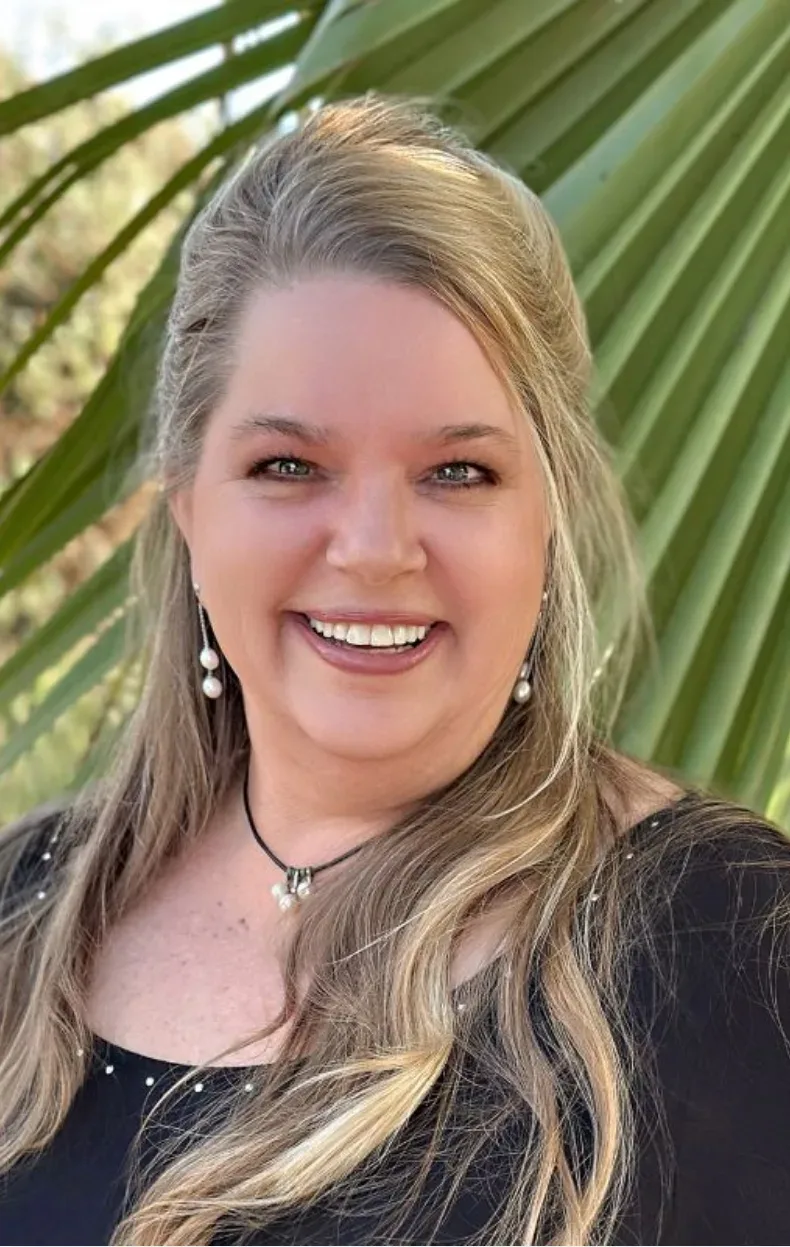
The Seller's Agent. For 27 years Monica has combined deep Merced County market knowledge with a polished, confident approach that sellers trust. She has guided sellers through solar lease assumptions, PACE payoffs, and NEM grandfathering questions across Merced, Turlock, Atwater, and the foothill communities, so the energy story works for the seller instead of against the close.
The Seller's Agent. Who You Choose Matters.
Whether your roof is owned, leased, or running a PPA, Monica offers a free, no-obligation consultation to review your solar paperwork, your utility tariff, and the current market data for your street before you decide how to list.