

Published · Process details reflect the standard California Association of REALTORS forms in use in fall 2026
Repair requests after the home inspection in Merced County are a negotiation, not a demand: California does not require a seller to fix anything, yet the buyer can walk away if the two sides cannot agree. In practice, most sales land somewhere in the middle, with the seller fixing the meaningful items, offering a credit, or politely declining the low-value requests with a clear reason. Here is how the repair request process actually works, what buyers in this market typically ask for, and how to respond without losing the deal.
What are repair requests after a home inspection?
A repair request is the buyer's written list of defects found during the inspection, delivered to you through your agents. In California it usually arrives on the standard state association form, the Request for Repair, often with photos and contractor estimates attached. The list can be as short as one item or as long as a page, but the process that produces it is the same everywhere in Merced County.
Under the standard California Residential Purchase Agreement, the buyer's inspection contingency runs 17 days from acceptance of your offer. Inside that window the buyer arranges the inspection, pays for it (usually $300 to $700 in California depending on home size and age), receives the report, and either approves the property or sends you the repair request. The report itself belongs to the buyer, so you do not automatically see it; you see the request built from it. The National Association of REALTORS consumer guide to home inspections explains the inspection and contingency basics in plain language if you want the lay of the land before the request ever arrives.
Expect the request to come. Industry analyses consistently find that most buyers ask for something after the inspection; one analysis of Realtor.com data put the share of buyers requesting a repair or concession at roughly 86 percent. The question is rarely whether a request will arrive, it is how you will answer it. My step-by-step guide to the home inspection process for Merced County sellers covers what inspectors check and how to prepare before your buyer's inspector shows up.
Are Merced County sellers required to make repairs?
No. California homes are sold as-is in their present condition, subject to the disclosures you already owe the buyer through the Transfer Disclosure Statement and the other required forms. Nothing in state law obligates a seller to fix an inspection finding, and your agent's own duty under California Civil Code section 2079 is a visual, disclose-what-you-see duty, not a repair obligation.
The leverage is on the buyer's side of the table, not the law's: their contingency allows them to cancel over any issue they cannot live with, and in a market with other inventory, they might. So the practical answer is that you are not required to fix anything, but a seller who refuses everything often watches a reasonable deal fall apart over a $500 water heater. What sellers can, should, and usually do trade is the difference between what the home needed anyway and what the buyer wants done to it. Check what you must put on the record in my guide to California's seller disclosure requirements for Merced County homes.
What buyers actually ask for in Merced County homes
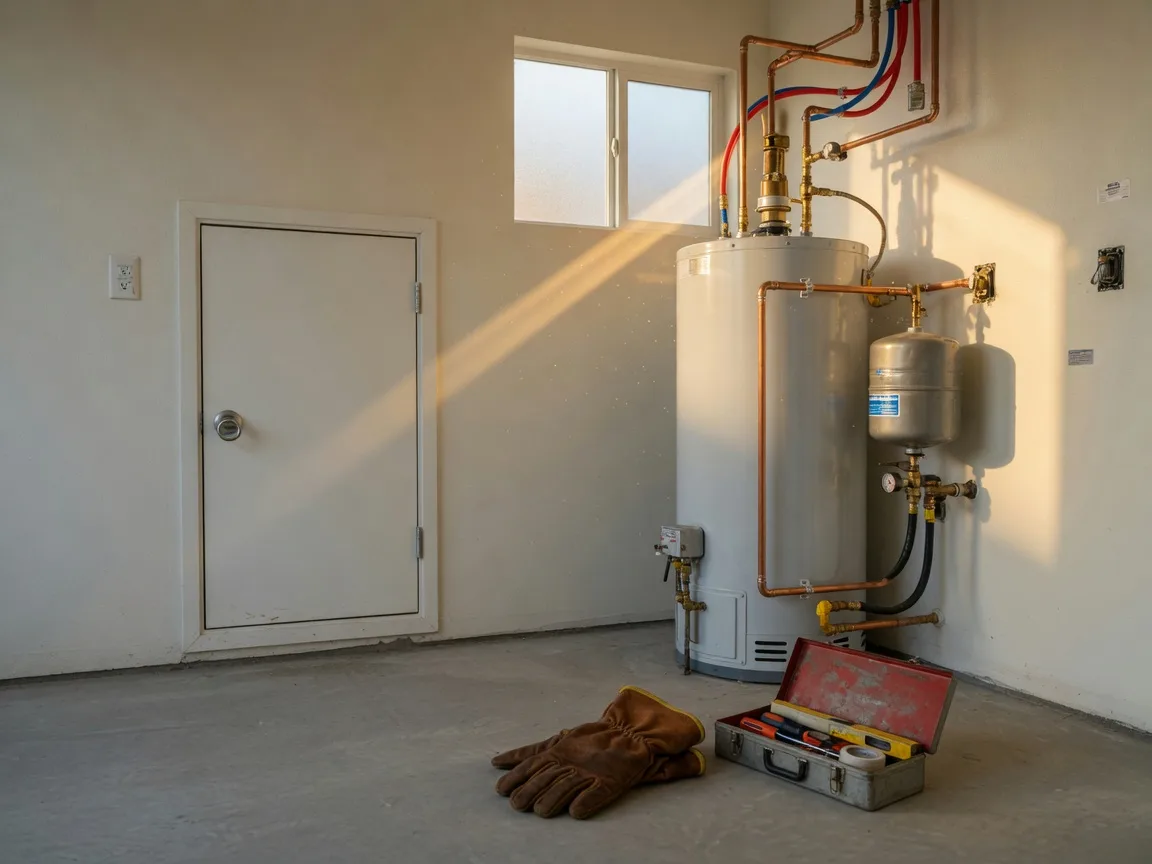
The repair list tracks the home's age and construction, and Merced County has a lot of well-built ranch housing from the 1960s through the 1980s. In the established neighborhoods of Merced, Atwater, Winton, Livingston, and Chowchilla, the same items come up again and again: an aging water heater, an HVAC system nearing end of life after decades of valley summers, hard-water scale on plumbing fixtures, a roof with years left but not many, single-pane windows, and minor electrical items such as ungrounded outlets or a missing GFCI in the kitchen and bath.
Drainage and grading show up on nearly every Merced County request because the soil here is heavy and flat. Water pooling against the foundation after winter rains is a legitimate list item, and so is a sprinkler head soaking the siding. Newer homes near UC Merced and the newer subdivisions on the edges of Merced and Turlock tend to get shorter lists, while the older housing stock in Winton, Livingston, and the west side of Merced can produce a full page.
Termite findings are the one that surprises sellers most. Wood-destroying organisms are common across the valley, and the pest control report frequently lands on the table even when the inspection itself is clean. In the foothill communities of McSwain, Catheys Valley, and Mariposa, the list shifts further: well yield and water quality tests, septic system inspections, propane tank agreements, and private road maintenance all become buyer questions. If you are selling rural property, my guide to selling a home with acreage in Merced County walks through the well, septic, and water questions those buyers raise before they ever write an offer.
The three ways sellers usually respond
Once the request arrives, you have three options, and nearly every Merced County sale uses a mix of them. Fixing the item directly is the cleanest answer for small, defined tasks: a dripping faucet, a replaced outlet, a re-sealed tub, a cleared gutter. For bigger items, most sellers offer a credit or a price adjustment instead of doing the work, because a credit sets a fixed dollar amount and removes the risk of a contractor half-finishing a job during escrow.
Typical repair credits run about 1 to 3 percent of the purchase price, which on a home near the county's recent median of about $440,000 works out to roughly $4,400 to $13,000. The third option, declining, is legitimate and very common for the low-value end of the list, as long as it is done deliberately and in writing. A seller who fixes or credits the meaningful items and declines the rest with a clear reason keeps credibility, and most buyers accept that split because they know the meaningful items are where the money is.
Two cautions apply in every case. First, never inflate the price to cover the credit; buyers see through it, and the appraisal may not support it. Second, respond inside the calendar. The 17-day window is the buyer's, but your response starts its own clock in escrow, and a slow answer in a competitive offer situation can cost you leverage. If you are managing several offers at once, my guide to handling multiple offers in Merced County covers how to move through contingencies without tripping your own deal.
FHA and VA buyers: repairs that are non-negotiable
The rules change when your buyer is financing with FHA or VA. Those programs do not command you to fix anything, but their appraisers enforce minimum property standards, and when an appraiser flags a health, safety, or livability issue, the repair must be completed before the loan can close. The classic examples are a defective heating system, a roof with active leaks, faulty electrical, and peeling lead-based paint on a pre-1978 home. There is no credit that substitutes; the work has to be done and typically re-inspected.
VA financing also always includes a wood-destroying-organism inspection, and the Section 1 items, active infestation or damage, must be cleared before final approval. FHA buyers may face the same requirement when their appraiser calls for a pest inspection. None of this is a reason to turn down an FHA or VA buyer; in Merced County they make up a meaningful share of the market and they are often motivated buyers. It is a reason to price, prepare, and budget so you are not surprised at the contingency stage.
How to keep the repair discussion from killing the deal
The repair conversation is where good agents earn their pay, because the money being discussed is usually small relative to a $440,000 sale. The deals that die over repairs are almost always about tone and timing, not dollars. Respond fast, respond in writing, and never make the buyer feel like their inspector wasted their money. A three-line response that fixes two items, credits a third, and explains exactly why the fourth is declined keeps the transaction moving far better than a counterpunch.
Get real numbers behind every decision. If a buyer asks for a roof replacement because the report says the roof is 18 years old, get a roofing contractor's quote for the remaining life, not the cost of a full replacement. If the water heater is the ask, two plumber quotes settle the number in an afternoon. And keep your eye on the overall timeline: inspection findings usually appear in week one or two of escrow, and how you handle them shapes whether that typical 30 to 60 day selling timeline in Merced County closes on schedule or slips.
How Monica Franks handles repair requests for Merced County sellers
Repair requests are the moment sellers usually feel the most exposed, which is exactly why the agent you choose matters. Over a career spent selling homes across Merced, Atwater, Turlock, McSwain, Catheys Valley, and Mariposa, Monica has negotiated hundreds of these lists. She reads the request against the home's actual condition and the buyer's financing, separates the meaningful items from the padding, gets contractor reality-checks on the big numbers, and negotiates in writing so nothing is left to memory.
Her standard is a deal that closes without the seller overpaying for repairs they never owed and without letting a fixable list sink a good price. If you are selling in the county seat, the Merced service area page covers how she prices and prepares homes there, and for rural properties the McSwain service area page explains the well, septic, and acreage questions that come with foothill sales.
Frequently Asked Questions About Repair Requests in Merced County
Can a seller refuse repair requests after the home inspection in California?
Yes. California homes are generally sold as-is in their present condition, subject to the seller's disclosure obligations, and no law forces a seller to make repairs. The practical check is that the buyer's inspection contingency lets them cancel the contract if the two sides cannot agree, so a blanket refusal can end the sale. Sellers who decline usually do so item by item, with a written reason, and pair the refusal with a credit or a small concession to keep the deal alive.
How much should a seller offer for repair credits in Merced County?
Most repair credits land between 1 and 3 percent of the purchase price, which on a home near Merced County's recent median of about $440,000 works out to roughly $4,400 to $13,000. The right number depends on what the inspection found and what the item would cost to fix. For a single meaningful item like an aging water heater or a roof nearing end of life, a credit equal to a reasonable contractor bid is the most common and defensible approach.
Who pays for the home inspection in a Merced County home sale?
The buyer pays for the home inspection and owns the report. A standard single-family inspection in California typically runs about $300 to $700 depending on the home's size and age, and buyers often add a sewer scope, roof inspection, or well and septic testing on top. The seller does not pay for it, but the seller should expect to see the findings, because the buyer's repair request is built directly from that report.
Does the seller have to fix what the FHA or VA appraiser flags?
Effectively, yes, if the buyer is using FHA or VA financing. Those programs do not order sellers to fix anything, but their appraisers enforce minimum property standards, and health, safety, and livability issues such as defective utilities, roof damage, or peeling lead-based paint must be repaired before the loan can close. VA loans also always require a wood-destroying-organism inspection with the Section 1 items cleared before final approval.
What is the 17-day inspection contingency in a California home sale?
Under the standard California Residential Purchase Agreement, the default inspection, or investigation, contingency gives the buyer 17 days after the contract is accepted to complete inspections, receive the written reports, and either remove the contingency or cancel. If the buyer sends a Request for Repair within that window, the seller's response resets the conversation, but the other side can walk if the two sides never agree.

The Seller's Agent. Monica has represented Merced County sellers for over two decades, with more than $100 million in career sales and deep experience negotiating inspections, pest reports, and repair requests across the county. She is the seller's advocate at the table, and why you choose matters.
The Seller's Agent. Who You Choose Matters.
Before you list, Monica can walk your home through a pre-listing perspective on the items an inspector will likely flag, so repair requests become a plan instead of a surprise. She offers a free, no-obligation consultation to discuss your goals, your timeline, and the current market data for your street.
Add Monica Franks as a Preferred Source on Google to see more of my content in AI Mode and AI Overviews.
Add as Preferred Source