
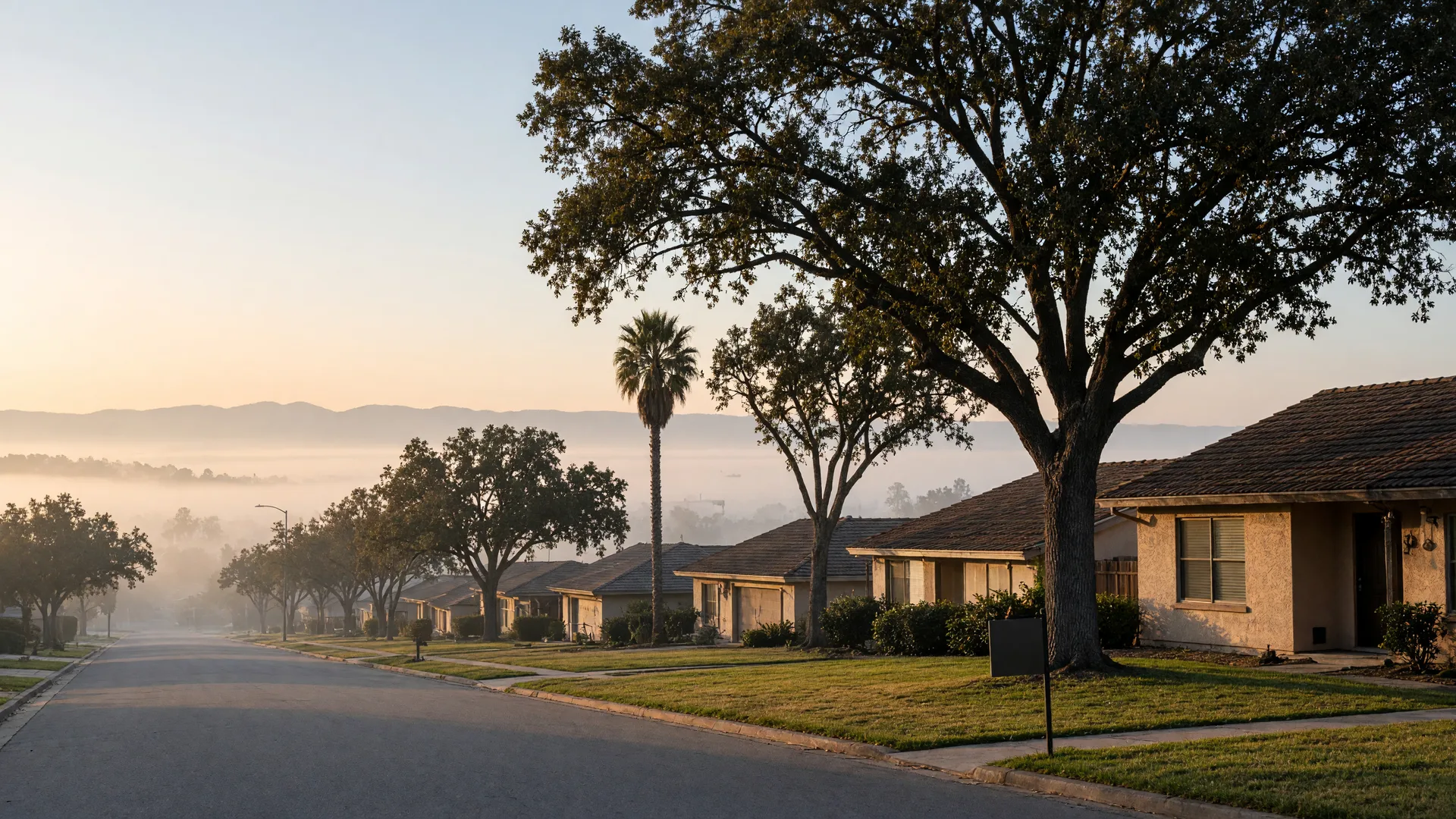
A comparative market analysis in Merced County is the pricing report your agent builds from recently sold homes, active listings, pending sales, and expired listings in your neighborhood, and it is the document behind nearly every list price a seller is handed. It answers one practical question with data: what would a ready, qualified buyer pay for your home this month? The CMA is not an appraisal and it is not an opinion; it is the closest evidence-based answer to how much your house is worth in today's Merced County market, and learning to read one makes you a sharper, more confident seller.
What Is a Comparative Market Analysis in Merced County?
When an agent prepares a comparative market analysis for a Merced County seller, the first job is choosing comparables, the homes that genuinely compete with yours. A good comparable is similar in size, age, condition, and location, ideally a sale from the past six months and within a mile or two of your address. The freshest closings, those from the last 90 days, carry the most weight, because they best reflect current buyer behavior in a market that can shift month to month.
A credible CMA draws on four pools of data. Sold homes are the anchor, because they show what buyers have actually paid at the closing table. Active listings show the competition your home will face the day it lists. Pending sales bridge the two, homes already under contract that usually close near their list price. Expired listings, homes that failed to sell, close the loop by showing what buyers would not pay. An honest analysis uses all four, which is why it holds up when the numbers get challenged.
How a CMA Differs From an Appraisal
A CMA and an appraisal answer different questions with different methods. An appraisal is a formal valuation by a licensed appraiser, usually ordered by the buyer's lender to protect the loan, and it follows strict state and federal guidelines. A CMA is prepared by your own agent, costs nothing, and exists to guide pricing and marketing decisions rather than to justify a mortgage.
The two usually land in the same neighborhood, but they serve different people. An appraisal that comes in short of the contract price is a real event in a sale, and it helps to know what appraisers weigh before that happens. My guide to home appraisals in Merced County walks through what the appraiser looks for and what to do when a value falls below your agreed price.
The Data Behind a Merced County CMA
Merced County is not one market, and a strong CMA never leans on a countywide average. The most meaningful comparables come from your own ZIP code and usually from your own part of town. A mid-century ranch on the east side of Merced shares little with a newer tract home near UC Merced, even when both carry a 95340 or 95341 address. The agent's job is to filter the MLS, the same system buyer's agents search daily, for homes that truly compete with yours: comparable square footage, bedroom and bath counts, lot size, and updates.
Read the adjustment notes as you review the report. When a comparable has an extra bedroom or a remodeled kitchen, the agent adds or subtracts value to line that home up with yours. That adjustment logic is the heart of a credible CMA, and it is also where a weak analysis drifts from honest comps toward a number the seller wants to hear.
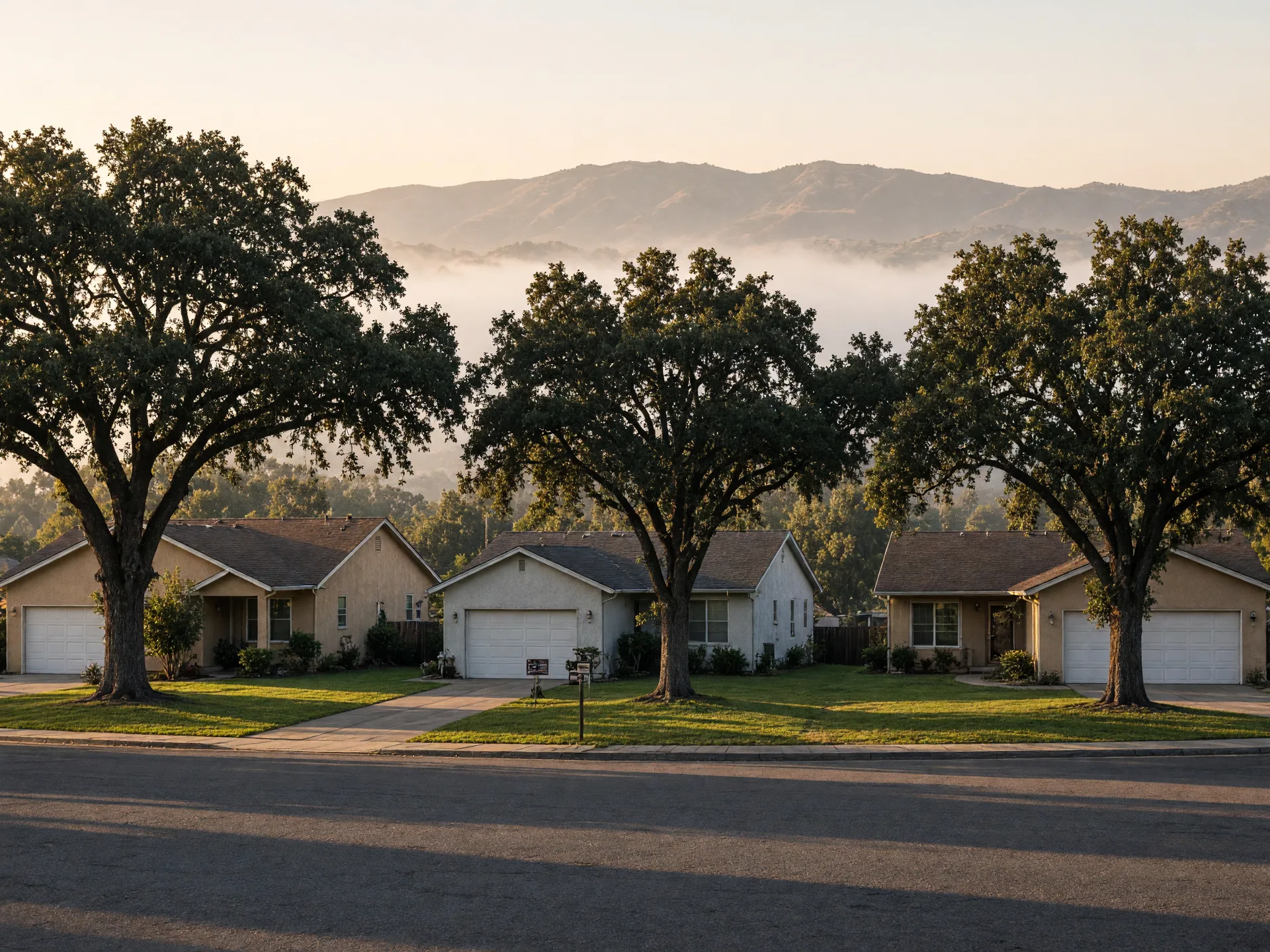
What the Latest Merced County Numbers Tell Sellers
Your CMA reads against the county backdrop, because the backdrop tells you whether you hold the leverage. The latest verified C.A.R. county report put Merced County's median existing single-family home price at $430,000 in September 2026, flat from a year earlier, with closed sales up 11.3% year over year. Redfin's Merced County page showed a median sale price of about $421,000 over the three months ending August 2026, a median 35 days on market (down from 42 a year earlier), and a sale-to-list ratio still near 98.9%. Merced city's most recent single-month median read $414,802 for September 2026.
With roughly 2.8 months of supply, the county remains in seller's-market territory; under four months of supply traditionally favors the seller. The practical translation for your CMA is that pricing leverage still sits with sellers, but this is a steadier, more disciplined market than the spring peak. A home priced from fresh local comps keeps selling at or near asking, while a home priced from a countywide average rather than its own street feels the gap quickly. When demand cools, the freshest closings reflect it first, which is why the analysis should be refreshed every few weeks rather than handed over once and forgotten. My November 2026 Merced real estate market update walks through every county figure in detail, and my guide to selling a home in December in Merced County shows how those same numbers play out when holiday buyers shop.
Why ZIP Code Matters: Pricing by Area
A CMA that treats all of Merced County as one number is not really a CMA. The zip-level data tells the true story. In the latest published Redfin readings for the three months ending October 2026, Turlock's 95382 led the service area at about $555,000, up 7.7% year over year, with south Turlock's 95380 close behind at about $505,000, up 9.9%. In Merced, 95341 ticked up 1.3% to about $390,000, 95340 eased to about $392,000, and 95348 settled near $415,000. Livingston's 95334 came in around $418,000, Chowchilla's 93610 near $370,000, and Winton's 95388 around $362,000.
The practical lesson is simple. A bungalow in the 95340 neighborhoods near Courthouse Park draws a different buyer than a home near UC Merced or on the east side, and pricing should reflect that reality rather than a citywide sticker. In the foothill towns, list prices are set differently than on the valley floor because lot size, well and septic condition, and views carry most of the value, a reminder that ZIP averages are a starting point, never a substitute for property-level comparables. My Home Value Trends: November 2026 report breaks every service-area ZIP down in detail, and my guide to Merced home prices by ZIP code explains how 95340, 95341, and 95348 each behave for sellers. Every community page, from Turlock to Atwater, Winton, and Chowchilla, documents the local market where your home will actually compete.

How to Read a CMA: What Sellers Should Look For
Five things separate a useful CMA from a sales tool. First, the sold comparables should be recent, verifiable MLS closings, not asking prices; a list price is a hope until it becomes a closing. Second, the adjustments should make sense: a comparable with an added bedroom or a newer kitchen estimates higher, and one needing real work estimates lower. Third, compare each comp's list-to-sold spread to see whether homes are closing above or below asking. Fourth, watch days on market; an analysis that hides climbing time-on-market is hiding the market's verdict on overpricing. Fifth, treat the recommended range as a range, and ask the agent to name the two or three comps that carry the most weight.
The single best question a seller can ask is direct: which sales are you relying on, and why do they apply to my home? An agent who answers with specific addresses and specific adjustments is showing you a real CMA. An agent who points at a county chart is not.
Common CMA Mistakes Sellers Make
Most pricing disputes are not about the house; they are about how the comparables get chosen. Sellers commonly anchor to the highest recent sale on the block, to the Zestimate on a listing portal, or to what a neighbor claims to have received a few years back. Automated estimates are a useful starting point, but they are statistical models, not market analysis; they cannot see your new roof, your kitchen remodel, or your street traffic. An overpriced listing usually pays for its optimism later, with price reductions, climbing days on market, and buyers who quietly wonder what is wrong with it. That quiet period is the expensive one, because the first two weeks of a listing carry nearly all of its momentum.
How the CMA Leads to Your List Price
A CMA does more than estimate value; it sets strategy. If the data says your home's strongest range is $405,000 to $420,000, the real question becomes where inside that range to list. List at the top and you maximize the ceiling; list just below a psychological threshold and you trigger more buyer-agent search alerts and early showings. In a county where sale-to-list ratios run near 98.9%, the homes that sell fastest are priced where the freshest comps put them, not above them.
My guide to pricing your home to sell in Merced County turns the CMA into a concrete listing number, including when a slightly aggressive price can work and when it quietly costs you the first two weeks of momentum.
Getting Your Own Merced County CMA
The most useful CMA for your home is one built for your address, not for a ZIP average. When you work with Monica Franks, you receive a personalized comparative market analysis prepared from the last 90 days of closed sales in your immediate area, with every adjustment explained in plain language, at no cost and with no obligation. It is the first step in any serious conversation about selling, and it applies the same discipline whether your home sits in south Merced, near campus, along the Highway 99 corridor in Atwater and Turlock, or on acreage in McSwain, Catheys Valley, or Mariposa. Schedule a free consultation and the analysis comes first, before any listing talk.
Frequently Asked Questions About CMAs in Merced County
What is a comparative market analysis in Merced County?
A comparative market analysis (CMA) is a pricing report an agent builds from recently sold homes, active listings, pending sales, and expired listings in your neighborhood. It answers how much your home would likely sell for in the current market and is the basis for most list price recommendations Merced County sellers receive.
How is a CMA different from a home appraisal?
A CMA is prepared by your real estate agent to guide pricing and marketing, and it costs you nothing. An appraisal is a formal valuation by a licensed appraiser, usually ordered by the buyer's lender to protect the loan, and it follows strict state and federal guidelines. The two usually land in the same range, but they serve different purposes.
How much does a CMA cost?
For a seller, a CMA is free. Agents prepare CMAs as part of their listing service, and most will prepare one as the first step of a no-obligation consultation. A buyer's lender appraisal, by contrast, typically costs several hundred dollars and is paid as part of the loan process.
How recent are the home sales used in a CMA?
The strongest comparables are closed sales from the past 90 days in your immediate neighborhood. Most agents also consider sales from the past six months when inventory is thin, which is often the case in smaller towns like Chowchilla, Winton, and Catheys Valley.
How do I get a free CMA for my Merced County home?
Contact Monica for a free, no-obligation comparative market analysis. She will pull the last 90 days of closed sales in your area, explain every adjustment in plain language, and give you a data-backed price range for your home, whether it sits in Merced, Atwater, Turlock, or one of the foothill towns.

The Seller's Agent. Monica combines 27 years of real estate experience with deep Merced County market knowledge to deliver results for home sellers across the Central Valley, and every listing conversation starts with the data: a comparative market analysis built from your street's own recent sales.
The Seller's Agent. Who You Choose Matters.
Whether you are ready to list now or building a plan for next year, Monica offers a free, no-obligation consultation that begins with a comparative market analysis of your home and a straight answer about what it could achieve in today's Merced County market.
Add Monica Franks as a Preferred Source on Google to see more of my content in AI Mode and AI Overviews.
Add as Preferred Source